

Digital Mindfulness Programs: UCSF Evidence
Digital mindfulness programs may support workplace stress reduction, but UCSF findings need careful, clinician-aware interpretation.
Digital mindfulness programs may support workplace stress reduction, but UCSF findings need careful, clinician-aware interpretation.

A new study involving researchers from the University of California, Merced, offers a closer look at how people develop mindfulness skills when they begin meditating. Published in the October 2026 issue of Stress and Health,…
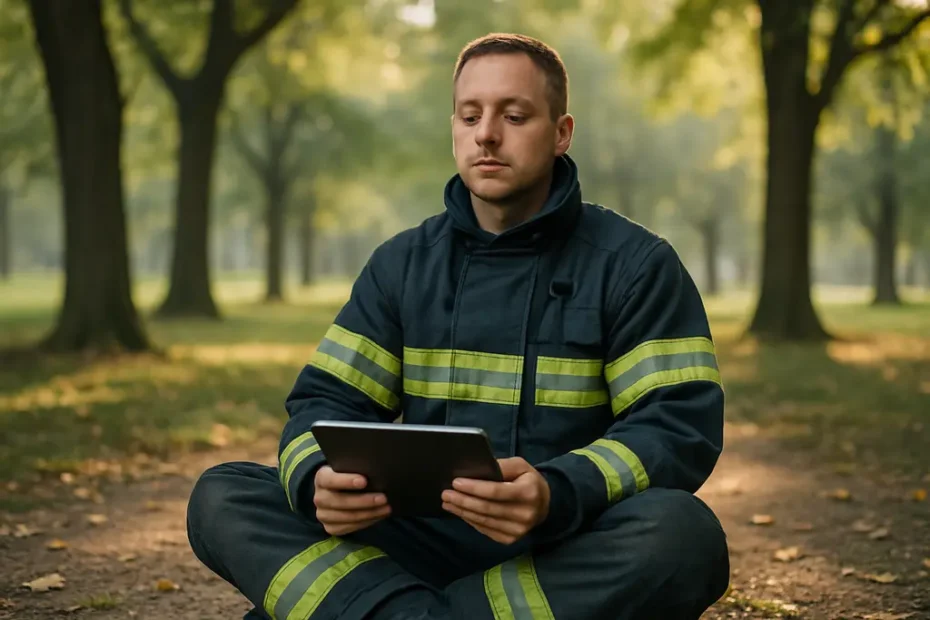
Digital mindfulness interventions may help first responders manage stress responses, but study findings call for cautious, clinician-aware use.
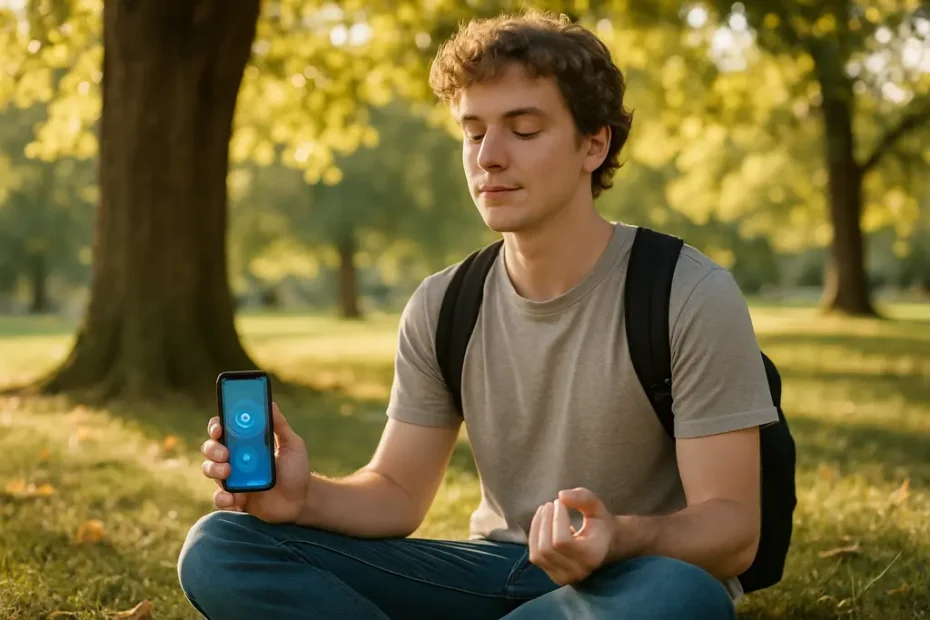
UC Merced research suggests mindfulness apps may reduce stress early for novice meditators, with limits and clinician-aware context.

City of Hope Medical Center in Duarte, California, is preparing a randomized clinical trial to examine whether scheduled meditation can help patients recover after pancreatectomy, a major operation used to remove part or all of…

Brief meditation may modestly reduce negative emotions in adults, but effects appear small and some people report distress.

Researchers at the University of California, San Diego, are investigating how intensive breathwork involving rhythmic breathing and breath-holding may affect brain activity, sleep, stress and biological processes throughout the body. The clinical study, titled Impacts…

Mindfulness and Exercise may support stress, anxiety, and mood outcomes. Review recent evidence and clinician discussion points.

MBCT safety evidence in depression suggests no clear rise in symptom worsening, but reporting gaps and clinical fit still matter.

Recent research suggests mindfulness routines may help reduce work-related stress and burnout, with careful limits and clinician input.