

Young Adult Distress, Mindfulness, and Activity
Young adult distress is rising. Review 2024 and 2025 data, plus cautious notes on mindfulness, movement, and clinician-guided care.
Young adult distress is rising. Review 2024 and 2025 data, plus cautious notes on mindfulness, movement, and clinician-guided care.

Digital Mindfulness at UCSF was linked with lower stress and stronger work engagement, but findings need cautious, clinician-aware reading.

Meditation And Exercise may support stress-related mental wellness, but evidence is cautious on whether combining them beats either practice alone.

Doctor of Nursing Practice students often move between demanding coursework, clinical responsibilities and the pressures of preparing for advanced leadership roles. A new University of Pennsylvania School of Nursing study suggests that mindfulness does not…

Mindfulness-Based Stress Reduction (MBSR) may affect more than how stressed people say they feel. A new meta-analysis involving 39 studies and 2,059 participants found that MBSR was associated with lower cortisol levels, providing evidence that…

UCSF’s digital mindfulness at work trial linked an 8-week app program with lower stress, but workplace use needs careful, clinician-aware reading.
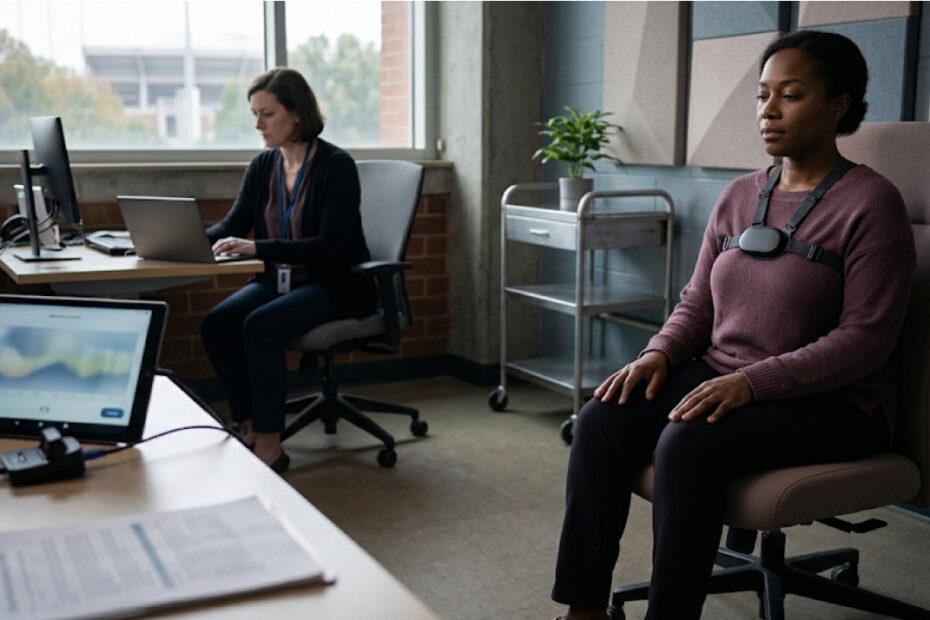
Meditation is often presented as a practice of sitting quietly, following the breath, and returning attention to the present moment. For people living with trauma-related symptoms, however, focusing on internal sensations can be difficult. Breathing,…

Mindfulness practices are rising among U.S. adults. Recent research suggests benefits, limits, and a need for stronger support.

Mindfulness Training at ChristianaCare offers cautious lessons on peer support, stress recognition, referrals, and limits for healthcare teams.

Digital mindfulness interventions may help first responders manage stress responses, but study findings call for cautious, clinician-aware use.