

Mindfulness-Based Interventions for Stress
Mindfulness-Based Interventions may lower perceived stress across formats, though duration, guidance, and participant fit can shape results.
Mindfulness-Based Interventions may lower perceived stress across formats, though duration, guidance, and participant fit can shape results.

Breath-focused mindfulness may shift EEG rhythms within minutes, but recent findings need cautious reading and clinician input.

Resonance-Frequency Breathing may affect HRV in postgraduate students, but stress findings remain preliminary and clinician input matters.

Mindfulness mortality research suggests meditation links are mixed, while yoga and Pilates show associations. Learn limits and clinician questions.

Recent RCTs suggest Brief Meditation Practices may support stress and mood regulation, with modest effects and individual variation.

UCSF’s digital mindfulness at work trial linked an 8-week app program with lower stress, but workplace use needs careful, clinician-aware reading.

Mindfulness practices are rising among U.S. adults. Recent research suggests benefits, limits, and a need for stronger support.

CDC mental distress data show why Mindfulness Routines and physical activity may support daily stress awareness with clinician guidance.
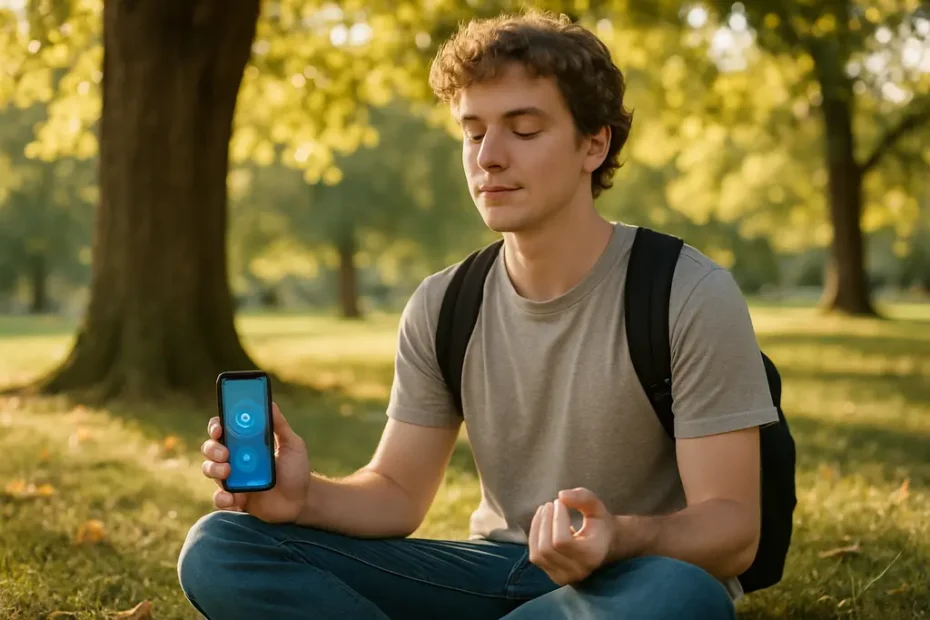
UC Merced research suggests mindfulness apps may reduce stress early for novice meditators, with limits and clinician-aware context.

Mindfulness and Exercise may support stress, anxiety, and mood outcomes. Review recent evidence and clinician discussion points.