

Digital Mindfulness Programs: UCSF Takeaways
Digital Mindfulness Programs showed stress reductions in a UCSF employee trial; learn the limits and what to ask a qualified professional.
Digital Mindfulness Programs showed stress reductions in a UCSF employee trial; learn the limits and what to ask a qualified professional.
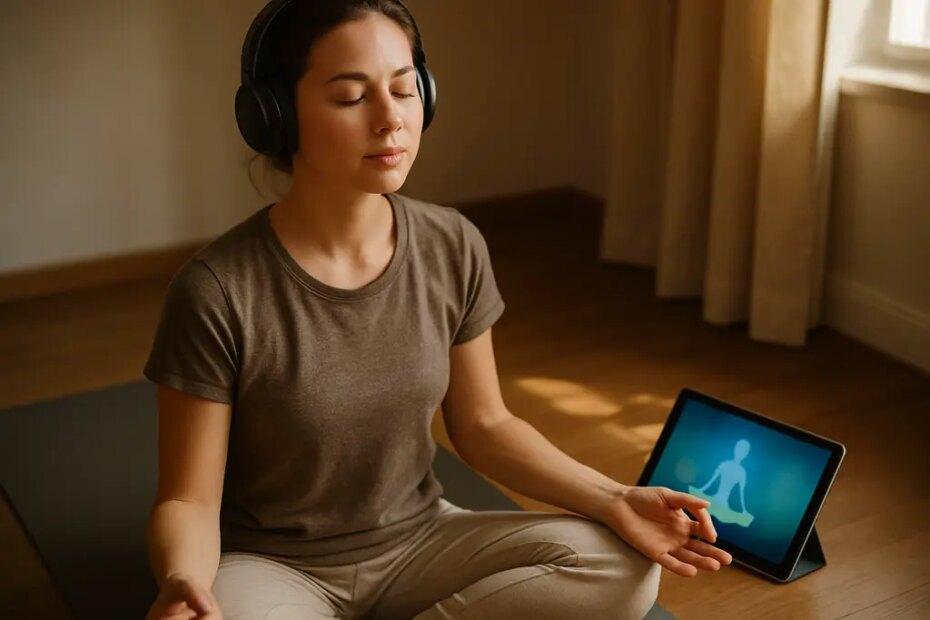
Digital meditation may reduce short-term stress and anxiety in some studies; learn what recent trials show and what to ask a clinician.
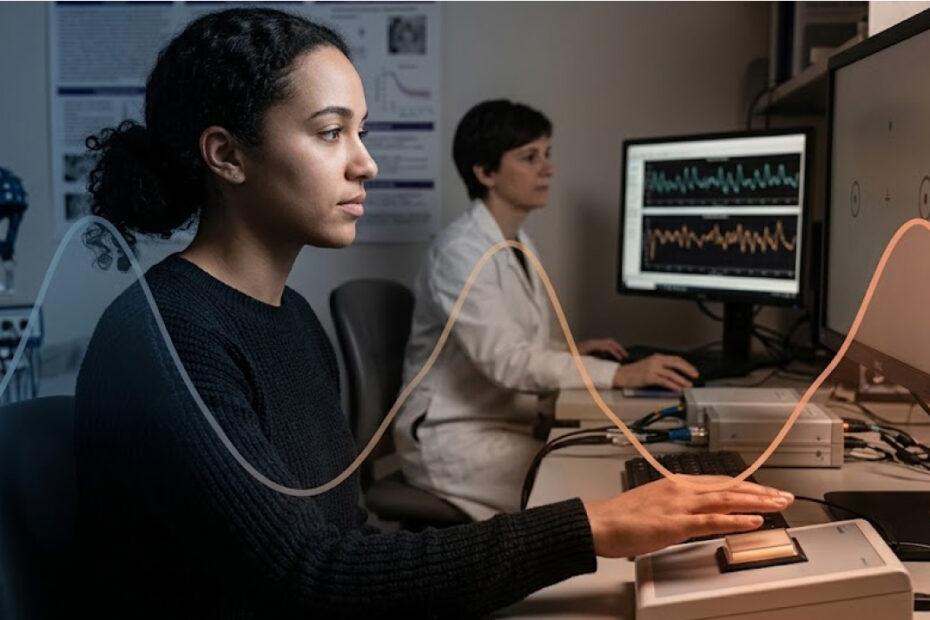
Breathing is usually treated as an automatic background process, but new research from Northwestern University suggests that the precise phase of a breath may influence how quickly people respond to an unexpected visual event. In…

MBSR cortisol levels may shift modestly, recent meta-analyses suggest. Learn what trials show, where uncertainty remains, and what to ask a clinician.

Spending time outdoors is often associated with better mood and lower stress, but a new study from Oregon State University asked a more specific question: does paying deliberate attention to nature add something beyond simply…

Meditation risks deserve clear discussion: research shows some people report distress, fear, or lasting effects during mindfulness practice.

Learn how personalized prediction may help match mindfulness routines to individual needs, with cautious evidence and clinician questions.

Mindfulness interventions anxiety research suggests benefits, but evidence varies by program type, population, and study quality.

Breathing patterns may shape working memory and emotion processing; read current evidence, limits, and clinician questions.

MBSR Cortisol Levels research suggests modest stress-marker changes, with results varying by population, study design, and practice.