
Meditation risks are not always part of beginner mindfulness teaching, yet research suggests that a minority of practitioners report difficult or unwanted experiences. That does not mean meditation is unsafe for everyone, or that ordinary mindfulness practice should be viewed with fear. It means educators, clinicians, and students should discuss possible adverse effects with the same calm attention they bring to possible benefits.
As a meditation practitioner and educator, I find the phrase “dark side” useful only if it leads to clearer care. The concern is not dramatic storytelling. It is practical: some people may experience anxiety, fear, emotional flooding, altered self-perception, or distress during or after practice. For people with trauma histories, active mental health concerns, or strong dissociative symptoms, practice intensity and support may matter. This article is educational and does not replace medical or mental health advice from a qualified professional.
Why Meditation Risks Deserve Plain Language
What The Dark Side Means
In mindfulness culture, meditation is often presented as gentle, neutral, and universally calming. Many people do experience it that way. Some find that observing the breath, body, or thoughts may support stress awareness and emotional steadiness. Yet a practice that increases attention to inner experience can also make difficult material more noticeable. For some, that may include fear, grief, agitation, or a sense of disconnection.
The phrase “dark side” should not be used to sensationalize meditation. A more careful meaning is this: meditation can have adverse or unpleasant effects for some people, and those effects deserve acknowledgement. Avoiding the topic can leave students thinking they are practicing incorrectly, spiritually failing, or alone in their response. Clear language can reduce shame and help people seek appropriate support.
Why Meditation Risks Are Often Missed
Difficult experiences may be missed because mindfulness sessions often end with quiet reflection rather than structured safety checks. A participant may not volunteer distress if the group tone suggests that meditation should feel peaceful. Teachers may also lack training in recognizing dissociation, panic, or worsening mood. In digital practice, where a person follows a recording alone, there may be no teacher present at all.
Online wellness education also varies in quality. Readers comparing mindfulness resources across publishing networks may come across a related site in the same network, but health-related interpretation still requires careful sourcing and, when symptoms are involved, professional guidance. Meditation education should be judged by its clarity, limits, and willingness to name uncertainty.
Meditation Risks In Research Findings
Meditation Risks In Population Data
A large U.S. population-based survey included 953 people, with 470 reporting lifetime meditation experience. Among meditators, 32.3% reported at least one meditation-related adverse effect, and 10.4% reported effects lasting one month or longer; the same study reported that 10.6% of those with adverse effects described some functional impairment, while 1.2% had impairment lasting at least one month population-based survey.
These figures need careful interpretation. A survey can show reported associations, not prove that every symptom was caused by meditation in a simple way. People also differ in practice type, duration, expectations, mental health history, and support. Still, the data challenge the casual claim that mindfulness is always benign. These meditation risks appear uncommon for severe impairment, but not rare enough to ignore.
Unpleasant Experiences In Regular Meditators
A separate study of regular meditators found that 25.6% reported particularly unpleasant meditation-related experiences, such as anxiety, fear, or altered sense of self, which they believed were caused by meditation regular meditator study. This does not mean one in four meditators will be harmed. It does suggest that unpleasant experiences are a real part of the practice record and should not be dismissed as impossible.
The research also points toward possible predictors, including findings that adverse experiences may be more likely among people with childhood adversity or past trauma. That pattern is clinically relevant, but it should not be used to label or diagnose anyone. Trauma history is personal, and decisions about meditation practice, therapy, or treatment should be discussed with a qualified mental health professional when distress is present.
Safer Mindfulness Practice Requires Context
Matching Practice Intensity To The Person
A cautious mindfulness approach does not assume that more practice is always better. Longer sessions, silence, closed eyes, strong inward focus, or intensive retreat settings may feel supportive to one person and destabilizing to another. Shorter practices, eyes-open awareness, movement, grounding through sound, or stopping when distress rises may be more appropriate in some settings, but these are educational options rather than medical instructions.
Context includes mental health history, current stress, sleep, substance use, social support, and whether a teacher is trained to respond to distress. A person who feels mildly restless during a first breathing practice is in a different situation from someone who experiences panic, dissociation, intrusive memories, or impairment in daily life. The second situation calls for professional input, not simply more willpower or longer sitting.
Teacher Training And Informed Consent
Mindfulness programs can improve their safety culture by naming possible difficult experiences before practice begins. This is not about frightening participants. It is about informed consent. Students should know that they can open their eyes, shift posture, pause, or speak with the instructor if they feel overwhelmed. Teachers should avoid framing discomfort as automatic progress.
For readers interested in how structured mindfulness programs discuss safety, our related article on MBCT safety findings offers a cautious research-focused angle. Program design matters because mindfulness is not just a technique; it is also a setting, a teacher-student relationship, and a set of expectations.
How Teachers And Programs Can Respond
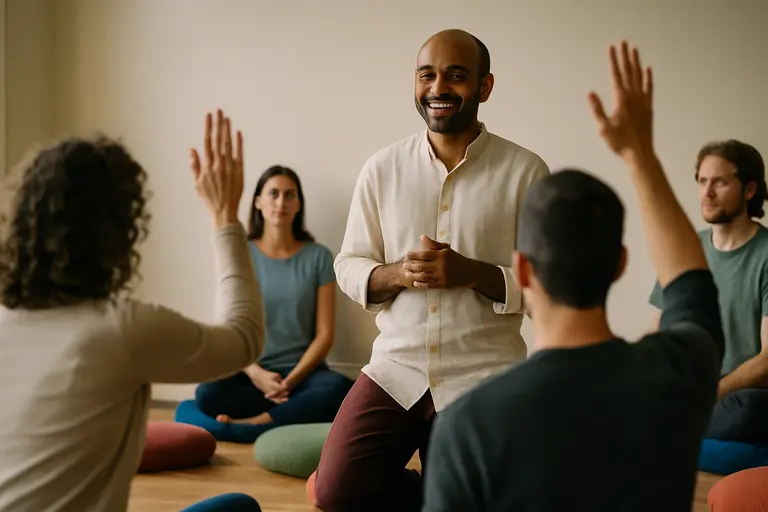
Recognizing Distress Without Overreacting
Not every unpleasant moment is a crisis. Boredom, ordinary restlessness, or brief sadness can arise during quiet practice. The key is to notice severity, duration, and impact. If distress is intense, repeated, confusing, or interferes with sleep, work, relationships, or daily functioning, it deserves more attention. Teachers should not diagnose, but they can encourage participants to seek qualified support.
This is where educational humility matters. Meditation teachers may understand posture, attention, and contemplative language, but that does not make them clinicians. A responsible teacher can normalize pausing practice, refer to appropriate care, and avoid making claims that meditation can treat or fix mental health conditions.
Practical Questions To Ask Before Practice
Before beginning a course, retreat, or longer home practice, participants can ask practical questions. These questions are not a substitute for clinical screening, but they can reveal whether a program takes safety seriously.
- What should a participant do if meditation brings up panic, traumatic memories, or dissociation?
- Are teachers trained to respond to distress during or after sessions?
- Can practices be modified, shortened, or stopped without pressure?
- Does the program encourage participants with mental health concerns to consult a qualified professional?
- How are adverse experiences recorded, discussed, or referred for support?
These questions help shift mindfulness from a one-size-fits-all model toward a more transparent educational setting. They also remind us that meditation risks are best handled before a person feels overwhelmed, not after.
Addressing The Dark Side Of Meditation
A Balanced View Of Benefit And Harm
Taking meditation risks seriously does not require rejecting mindfulness. It requires a more mature view of practice. Meditation may support awareness, stress reflection, and emotional learning for many people, but it is not a universal remedy and should not be promoted with guaranteed outcomes. The same attentional practices that help some people feel steadier may expose difficult material for others.
A safer mindfulness culture would speak plainly about adverse effects, train instructors to respond, make modifications acceptable, and encourage professional care when symptoms are intense or persistent. If you have a history of trauma, mental health concerns, major life stress, pregnancy-related health questions, medication changes, or symptoms that worsen during practice, discuss mindfulness plans with a qualified clinician. Ask what forms of practice may be appropriate, what warning signs to watch for, and when to pause and seek support.