
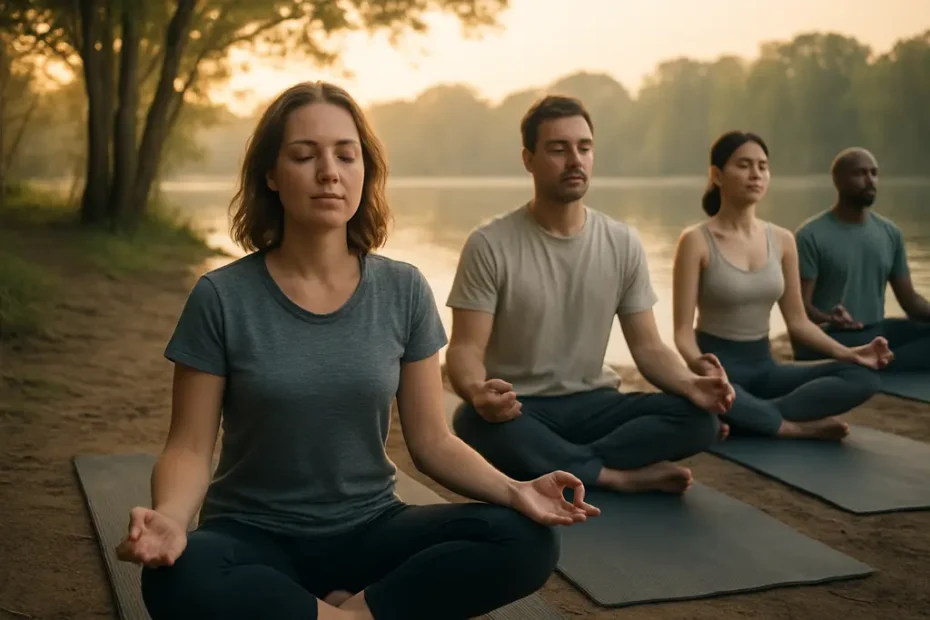
Mindfulness Retreats and Distress Outcomes
Mindfulness retreats may involve distress and benefit. 2026 studies suggest high anxiety did not predict more retreat distress in one format.
Mindfulness retreats may involve distress and benefit. 2026 studies suggest high anxiety did not predict more retreat distress in one format.
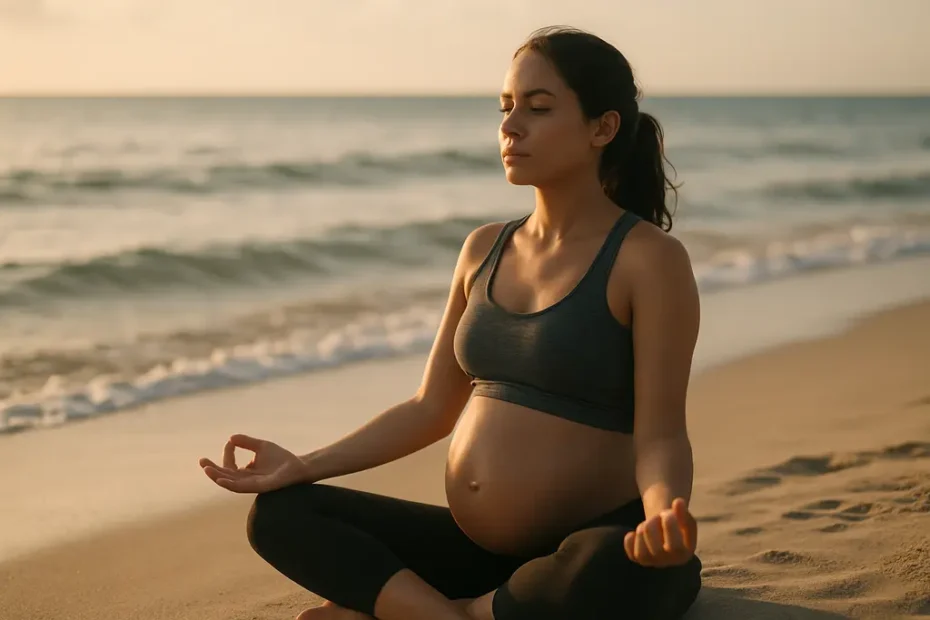
Prenatal Mindfulness may relate to infant stress regulation, but UCSF findings are early and should be discussed with qualified clinicians.
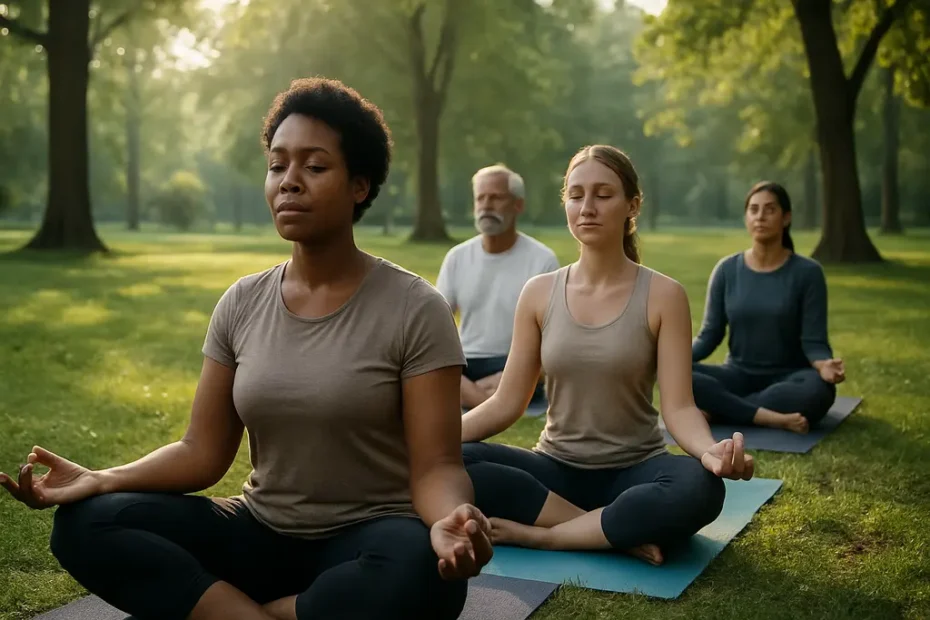
Consistent mindfulness practices get cautious support from UCSF studies on digital programs, prenatal routines, stress, and follow-up.

A large randomized clinical trial involving 1,458 employees at the University of California, San Francisco (UCSF) found that an eight-week digital mindfulness program was associated with lower perceived stress, less job strain and burnout, and…

MBSR cortisol levels may shift modestly, recent meta-analyses suggest. Learn what trials show, where uncertainty remains, and what to ask a clinician.
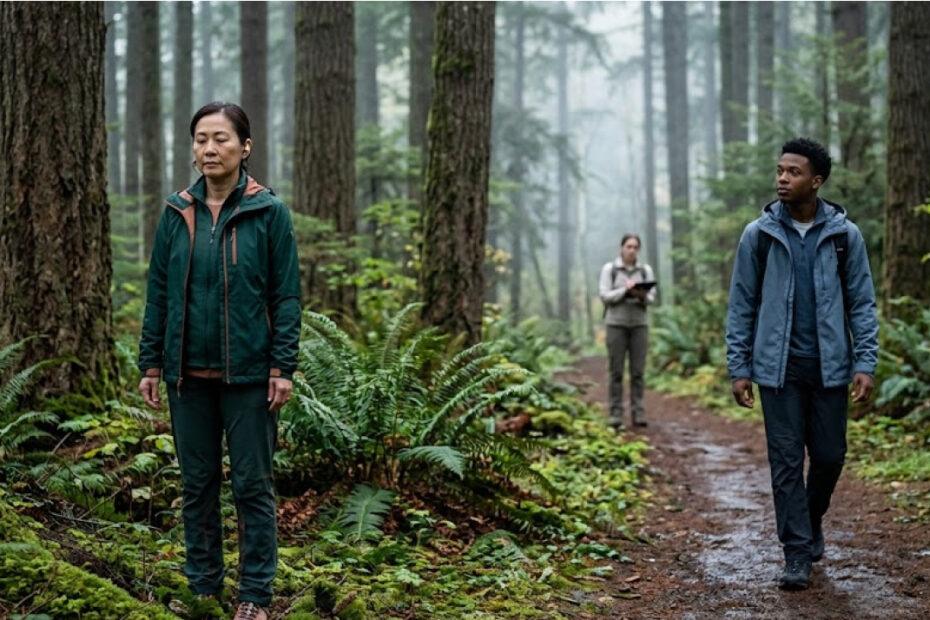
Spending time outdoors is often associated with better mood and lower stress, but a new study from Oregon State University asked a more specific question: does paying deliberate attention to nature add something beyond simply…
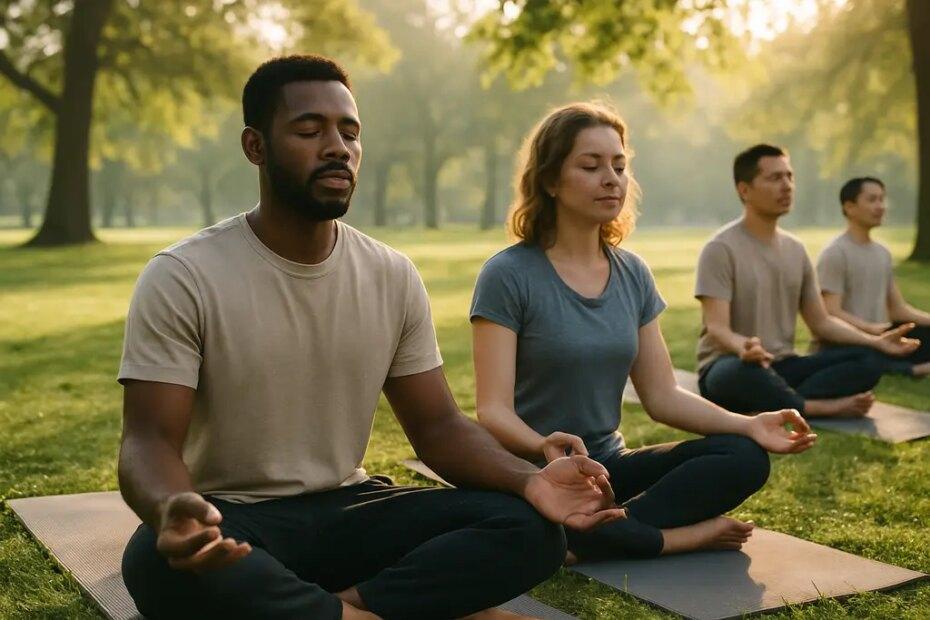
Learn how personalized prediction may help match mindfulness routines to individual needs, with cautious evidence and clinician questions.
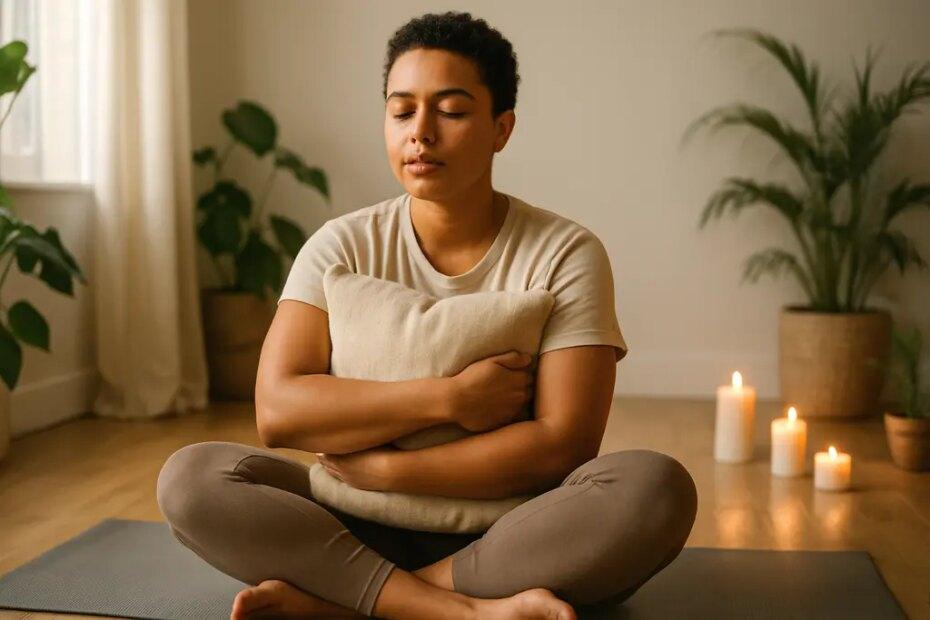
Self-compassion micropractices may support daily mindfulness routines, but the evidence is early and should be read with care.
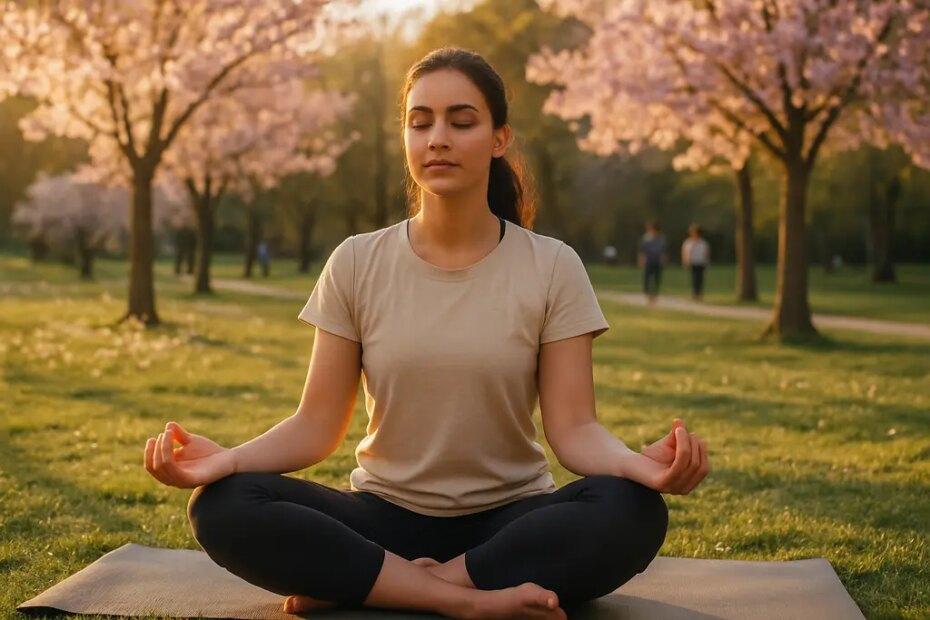
Simple mindfulness practices may support daily stress awareness using CDC-aligned breath, movement, gratitude, and media-break routines.

A large new study suggests that mindfulness-based cancer recovery and Tai Chi/Qigong may help cancer survivors manage several persistent symptoms after treatment, including fatigue and pain, while Tai Chi/Qigong was also associated with improved sleep…