

Personalized Meditation Practice By Trait
A Personalized Meditation Practice may fit better when traits, stress, and preferences are considered, with cautious evidence-based limits.
A Personalized Meditation Practice may fit better when traits, stress, and preferences are considered, with cautious evidence-based limits.

Brief Mindfulness Interventions may affect HRV, blood pressure, and stress markers, but evidence is early and should be read cautiously.

A week of intensive meditation and other mind-body practices may be enough to produce measurable changes in the brain and biological systems, according to research involving scientists at the University of California San Diego. The…

Daily digital mindfulness showed stress and work-related benefits in a UCSF employee trial, but results need careful, health-aware reading.
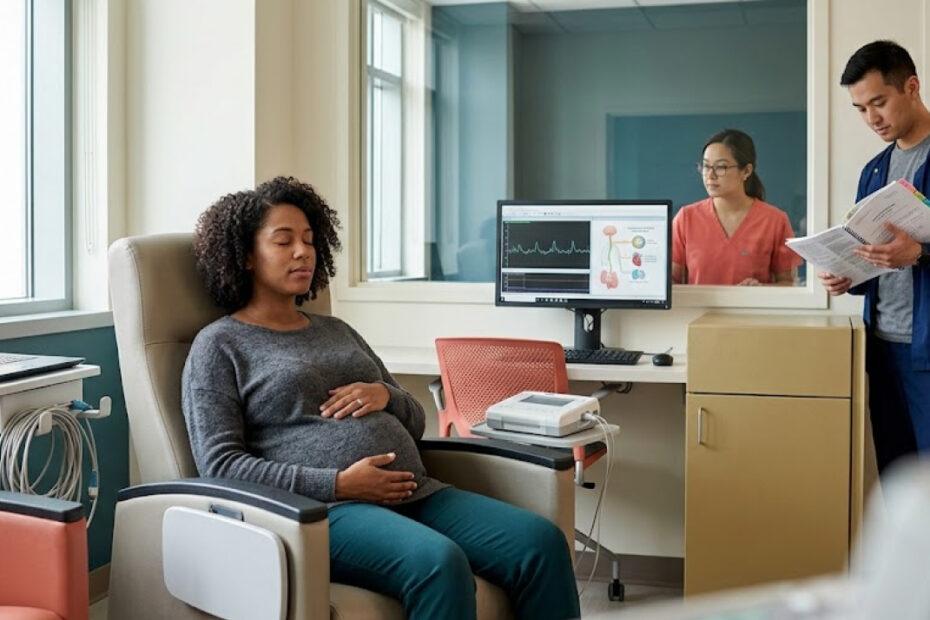
A new report from the University of California, San Francisco (UCSF) is drawing attention to a question that goes beyond whether mindfulness helps pregnant women feel less stressed: could reducing maternal stress during pregnancy also…

Breathwork altered states may inform stress education, but evidence is early and should be discussed with qualified clinicians.

Mindfulness meditation for beginners, viewed through Navy SEAL research, offers cautious lessons on breath, focus, resilience, and stress.
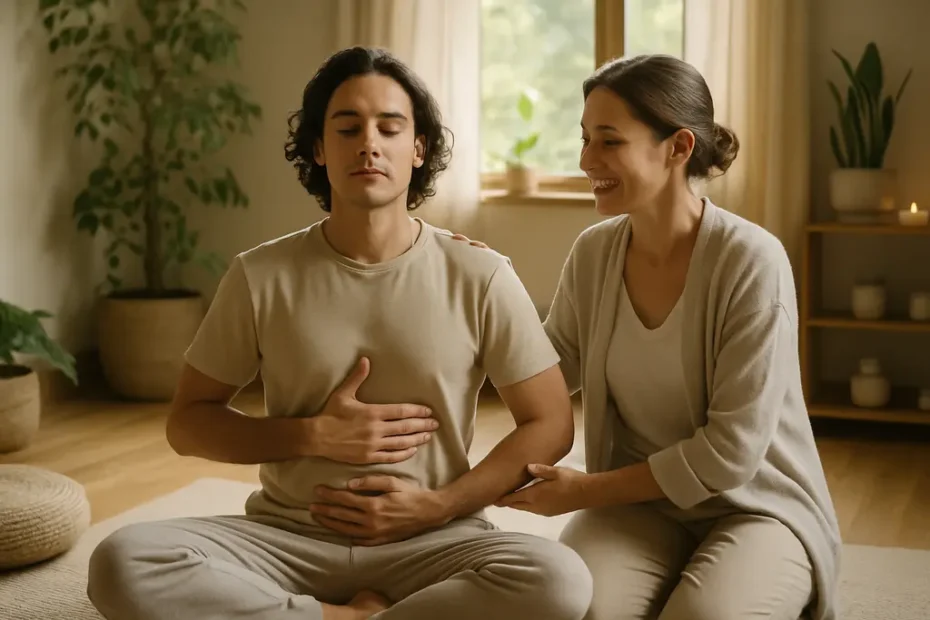
Breathwork Emotional Processing research suggests breathing may affect arousal, mood, and emotion regulation, with safety limits to discuss.

Workplace mindfulness programs may support stress education in tech teams. Review recent research, limits, and questions for clinicians.

A single 20-minute session combining noninvasive brain stimulation with mindful breathing may produce measurable changes in how the brain processes rewards and may reduce anxiety, according to new research from Emory University School of Medicine…