

Mindfulness Pain Management and CDC Guidance
Mindfulness pain management is part of CDC-aligned nonopioid care. Learn what evidence supports, its limits, and what to ask.
Mindfulness pain management is part of CDC-aligned nonopioid care. Learn what evidence supports, its limits, and what to ask.

Breathing Brain Function research suggests breathing phases may shape brain rhythms, attention networks, and arousal; evidence remains early.

MBCT safety findings from recent meta-analyses, adverse-event reviews, and clinician-focused questions for cautious mindfulness care.

Box breathing techniques may support short stress pauses, but evidence is limited and should not replace qualified medical guidance.

Breathwork rhythms may help explain how breathing patterns coordinate brain activity, based on cautious readings of new neuroscience research.

Ultra-Brief Digital Meditation may help some adults reduce stress and anxiety, but the evidence is still developing and not medical advice.

Slow-Paced Breathing may help K-12 teachers manage stress; review cautious 2026 evidence, limits, and clinician questions.
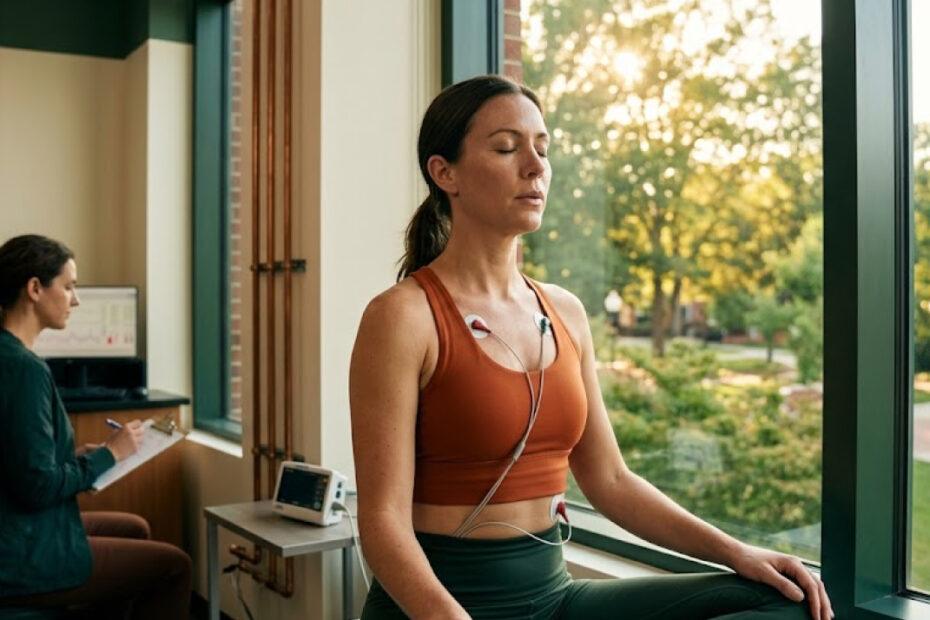
Slow breathing has become one of the most accessible ways to experiment with stress regulation. A person does not need specialized equipment, a meditation studio or an extended training program to slow their respiratory rhythm…

Stroke recovery does not end when a patient leaves the hospital. For many survivors, the months and years afterward can involve anxiety, depression, cognitive difficulties, fatigue, physical limitations and uncertainty about returning to everyday life.…

Brief Mindfulness Practices may affect autonomic stress markers, but 2026 findings are mixed and best read with clinical guidance.