
Box breathing techniques are often presented as a simple way to steady attention during acute stress: inhale, hold, exhale, hold, then repeat. The appeal is understandable. Breathing is partly automatic, yet it can also be influenced voluntarily, which makes it one of the few body processes a person can intentionally slow in a tense moment.
That said, the evidence should be read with care. Structured breathing may support short-term calming for some people, but it is not a diagnosis tool, a treatment plan, or a substitute for care from a qualified health professional. Anyone with medical, respiratory, cardiovascular, pregnancy-related, psychiatric, or medication-related concerns should seek medical advice from a qualified professional before using breath practices as part of a health routine.
What Box Breathing Techniques Involve
Box breathing is usually taught as an equal-count pattern. A common version uses four phases of the same length: breathing in, holding the breath after the inhale, breathing out, and holding the breath after the exhale. The “box” image simply represents the four equal sides of the cycle.
Box Breathing Techniques Step By Step
A basic educational version looks like this:
- Sit or stand in a stable position, without forcing a posture.
- Inhale gently for a count of four.
- Hold the breath for a count of four, without strain.
- Exhale steadily for a count of four.
- Pause after the exhale for a count of four.
- Repeat for a brief period, stopping if discomfort appears.
These box breathing techniques are not meant to feel like breath-holding endurance training. The pace should be modest, and the breath should remain comfortable. If a four-count pattern causes air hunger, dizziness, chest tightness, panic, or coughing, a shorter count or ordinary breathing may be more appropriate until a clinician can give individual guidance.
Why The Pauses Matter
The breath holds are part of what distinguishes box breathing from ordinary slow breathing. In practice, those pauses may also be the part that some people find difficult. This is one reason cautious instruction matters. A breath pattern that feels grounding to one person may feel uncomfortable to another, especially during anxiety, illness, fatigue, or after exertion.
What Recent Research Found
Research on breathing practices has grown, but not every study examines box breathing specifically. Some evidence looks at breathwork as a broad category, while newer work has tested box breathing more directly under laboratory stress conditions.
Acute Stress Testing
A randomized controlled trial published on June 25, 2026, studied 66 participants who practiced box breathing, prolonged exhalation, or normal breathing before a virtual Trier Social Stress Test. Compared with normal breathing, the structured breathing groups had smaller increases in heart rate and salivary alpha-amylase, and box breathing significantly reduced the rise in state anxiety. The same study did not find significant changes in heart rate variability, cortisol, or cognitive performance after the stress test, which is a useful limit on the findings stress reactivity trial.
The best reading of box breathing techniques from this trial is cautious: they appeared to buffer some short-term stress responses in a specific experimental setting, but they did not change every stress-related measure. That distinction matters because popular wellness claims often compress mixed findings into a simpler message than the data support.
Breathwork Beyond A Single Method
A broader meta-analysis of 12 randomized controlled trials with 785 adults, including studies available through February 2022, found that breathwork was associated with a small-to-medium reduction in self-reported stress compared with non-breathwork controls. The review also reported similar effect sizes for anxiety and depression outcomes, but it assessed breathwork as a category rather than treating every breathing technique as identical breathwork meta-analysis.
For readers who want a closer look at how a recent box breathing trial was framed, this related review of box breathing research may be useful. The practical takeaway is not that breathing practice works the same way for everyone. It is that structured breathing has enough early evidence to merit careful attention, while still requiring humility about what is known.
Practical Use During Acute Stress
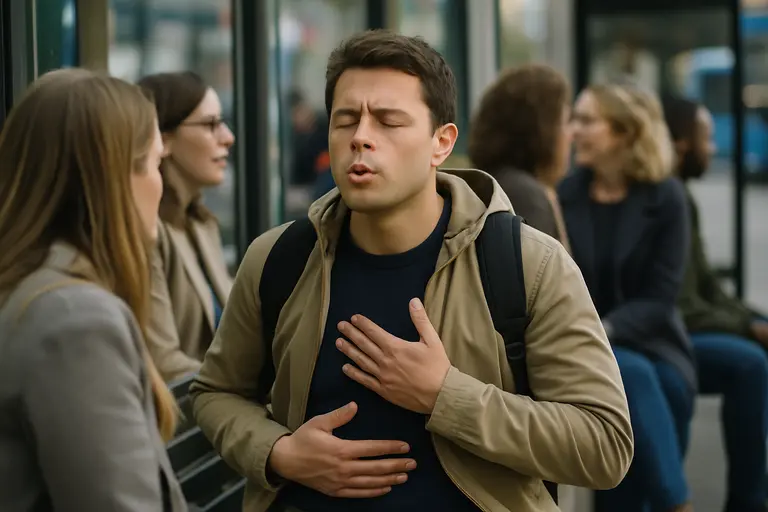
In practice, box breathing techniques may be most useful as a short pause before responding to a stressful trigger. The method gives attention a simple task, slows the rhythm of breathing, and creates a few seconds between a stimulus and a reaction. That pause can be valuable during a tense conversation, before a presentation, or after receiving upsetting information.
A Short Practice Window
For acute stress, longer is not always better. A brief practice window may be easier to apply and less likely to feel forced. Some people may try one or two cycles first, then return to normal breathing. Others may find that a minute or two is enough to feel steadier. The evidence does not support a guaranteed result, and a person should not use breathing practice to delay urgent medical, psychological, or safety care.
The pattern can also be paired with ordinary mindfulness skills. Notice the feeling of the inhale, the pause, the exhale, and the second pause. If thoughts continue racing, that does not mean the practice has failed. The aim is not to empty the mind. The aim is to give the nervous system and attention a predictable rhythm for a brief period.
When To Stop Or Modify
Stopping is part of safe practice. If a person becomes dizzy, short of breath, distressed, numb, or unusually uncomfortable, returning to natural breathing is reasonable. People with asthma, chronic obstructive pulmonary disease, heart rhythm concerns, fainting history, panic symptoms, pregnancy-related concerns, or other health conditions should ask a qualified clinician whether breath holds are appropriate for them.
Community wellness resources vary in scope, and readers comparing related education in the same network may recognize guidance available through resources like cpcwa.org. For health decisions, though, general educational material should be separated from individualized medical advice.
Box Breathing Techniques And Professional Care
Box breathing techniques can be understood as a low-equipment attention and breathing exercise with early evidence for short-term stress support. They should not be treated as a cure, a replacement for therapy, or a way to manage symptoms that need professional evaluation. Stress can be connected with sleep, pain, trauma, medications, medical illness, substance use, workload, caregiving strain, or other factors that a breathing exercise cannot fully assess.
Questions To Discuss With A Clinician
If you are considering structured breathing because stress feels intense, frequent, or hard to manage, medical advice should be sought from a qualified professional. Useful questions include:
- Are breath-holding practices safe for my health history, medications, pregnancy status, or respiratory condition?
- Could my stress symptoms be related to a medical or mental health concern that needs evaluation?
- Should breathing practice be paired with counseling, sleep support, physical activity guidance, or other evidence-based care?
- What warning signs would mean I should stop the practice and seek urgent help?
As a meditation educator, I view box breathing as a practical skill rather than a promise. It may help some people create a calmer pause during acute stress, especially when practiced gently and used within its limits. The most careful approach is to treat it as one small tool in a wider support plan, guided by qualified professionals when health questions are present.