

Meditation Risks: Addressing the Dark Side
Meditation risks deserve clear discussion: research shows some people report distress, fear, or lasting effects during mindfulness practice.
Meditation risks deserve clear discussion: research shows some people report distress, fear, or lasting effects during mindfulness practice.

Restorative Improvised Music may support meditation practice for people who struggle with silence. See what early studies suggest and where caution fits.
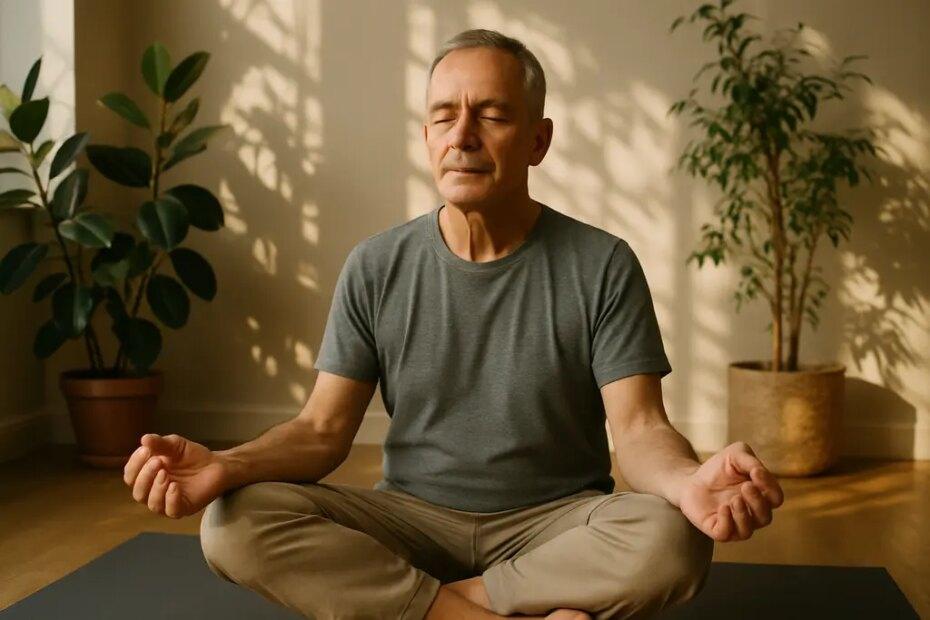
Recent findings on trait mindfulness, age, personality, stress, cognition, and what older adults may discuss with a clinician.

Positive psychology mindfulness research at UIUC suggests short-term gains in stress and well-being, with cautions about reinforcement and care.
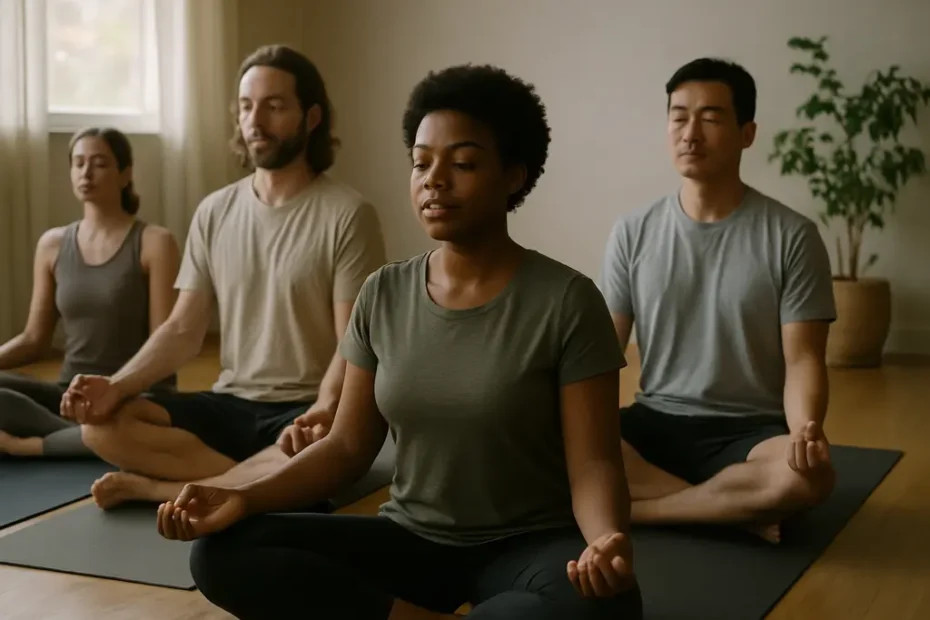
Ultra-Brief Digital Meditation may help some adults reduce stress and anxiety, but the evidence is still developing and not medical advice.

Evidence on a seven-day meditation retreat, mental health markers, brain-network findings, and what to discuss with a clinician.

Brief Mindfulness Interventions may affect HRV, blood pressure, and stress markers, but evidence is early and should be read cautiously.

Mindfulness meditation for beginners, viewed through Navy SEAL research, offers cautious lessons on breath, focus, resilience, and stress.

Mindfulness meditation may support emotional health, but evidence is mixed by outcome, duration, and individual needs.

Morning routines have become an important focus in modern wellness, with researchers increasingly recognizing that the first hour of the day can influence attention, emotional regulation, and stress resilience. While many people once associated meditation…