
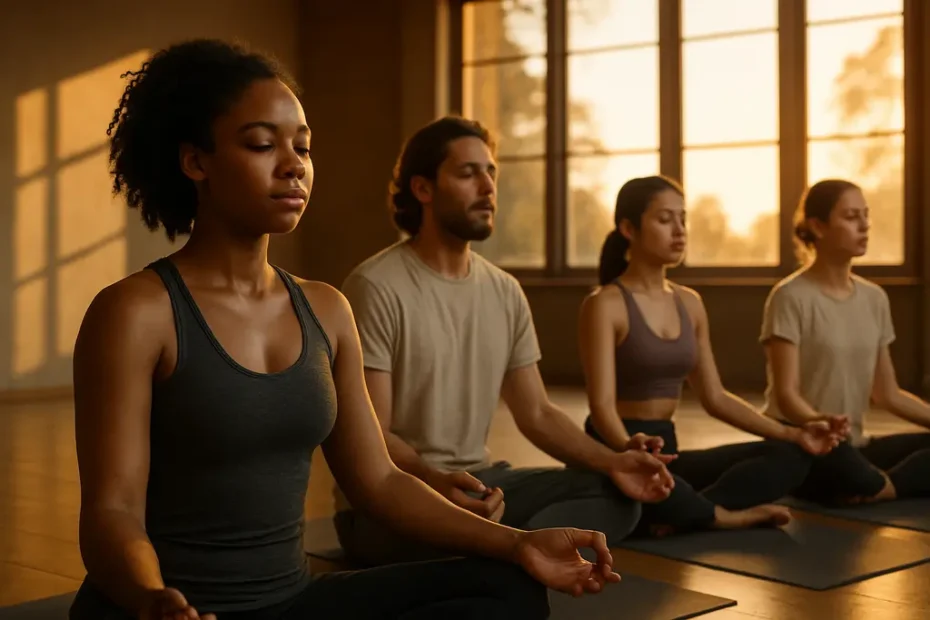
Breathwork Rhythms and Organized Brain Activity
Breathwork rhythms may help explain how breathing patterns coordinate brain activity, based on cautious readings of new neuroscience research.
Breathwork rhythms may help explain how breathing patterns coordinate brain activity, based on cautious readings of new neuroscience research.
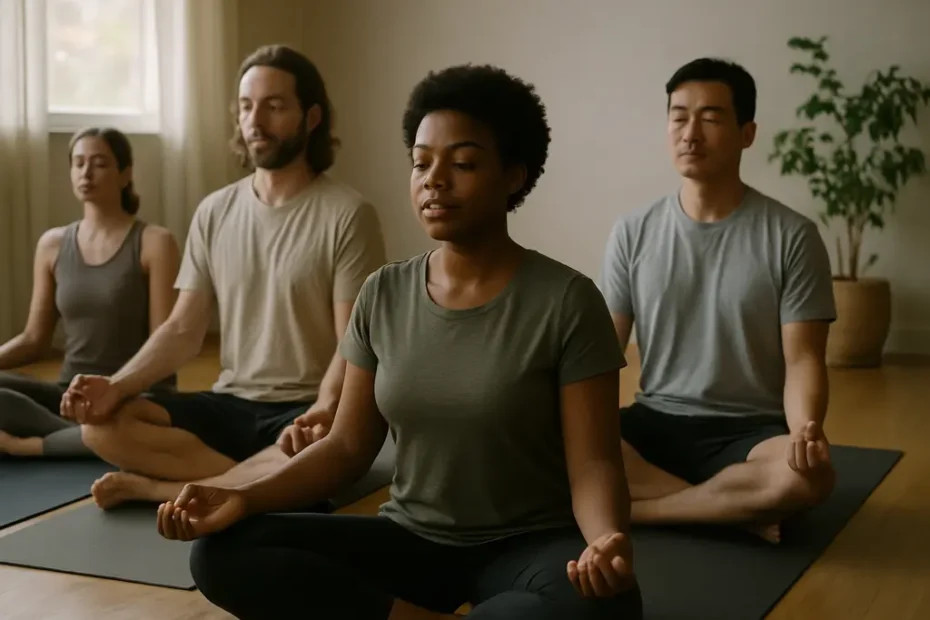
Ultra-Brief Digital Meditation may help some adults reduce stress and anxiety, but the evidence is still developing and not medical advice.
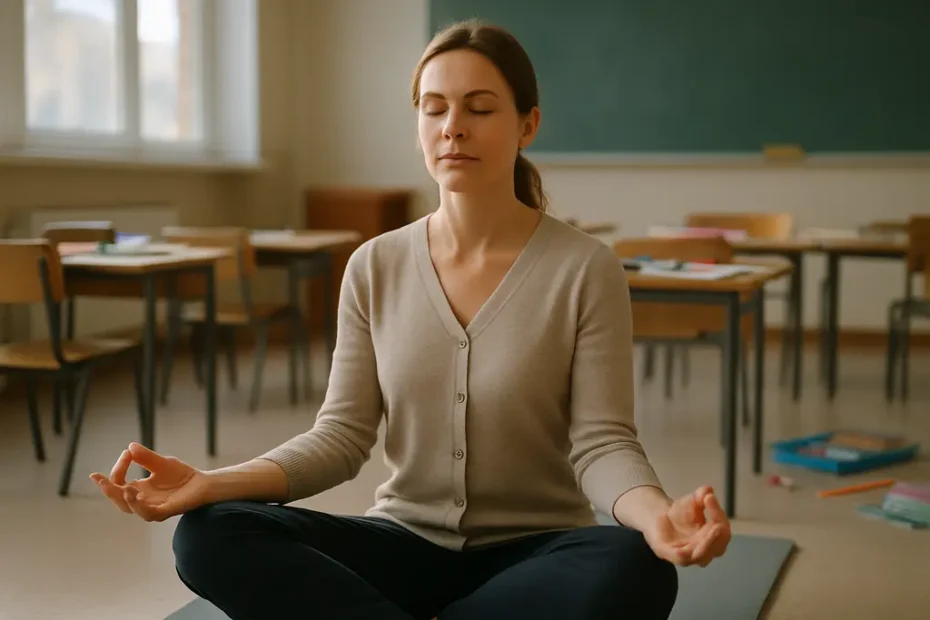
Slow-Paced Breathing may help K-12 teachers manage stress; review cautious 2026 evidence, limits, and clinician questions.
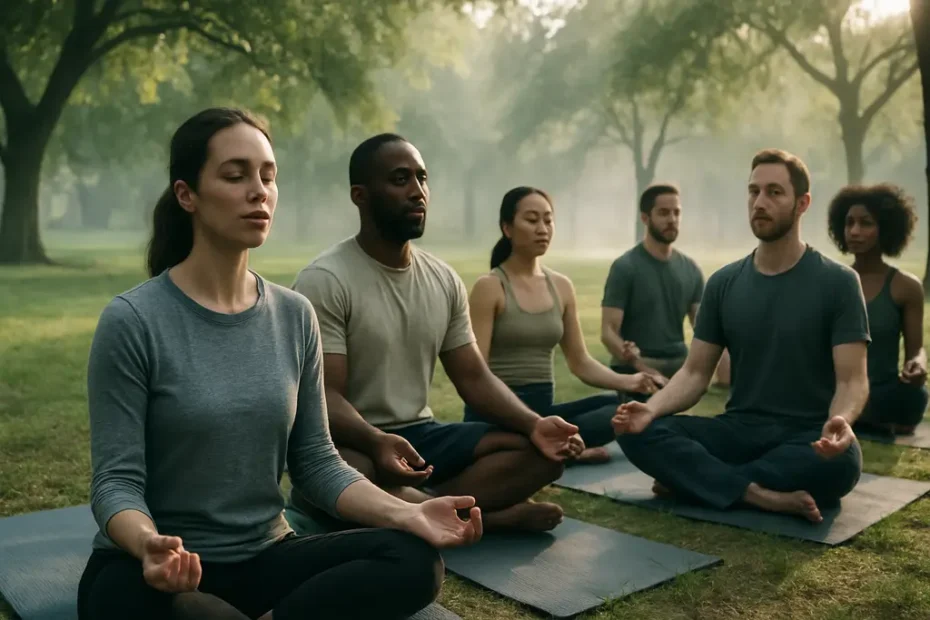
Brief Mindfulness Practices may affect autonomic stress markers, but 2026 findings are mixed and best read with clinical guidance.
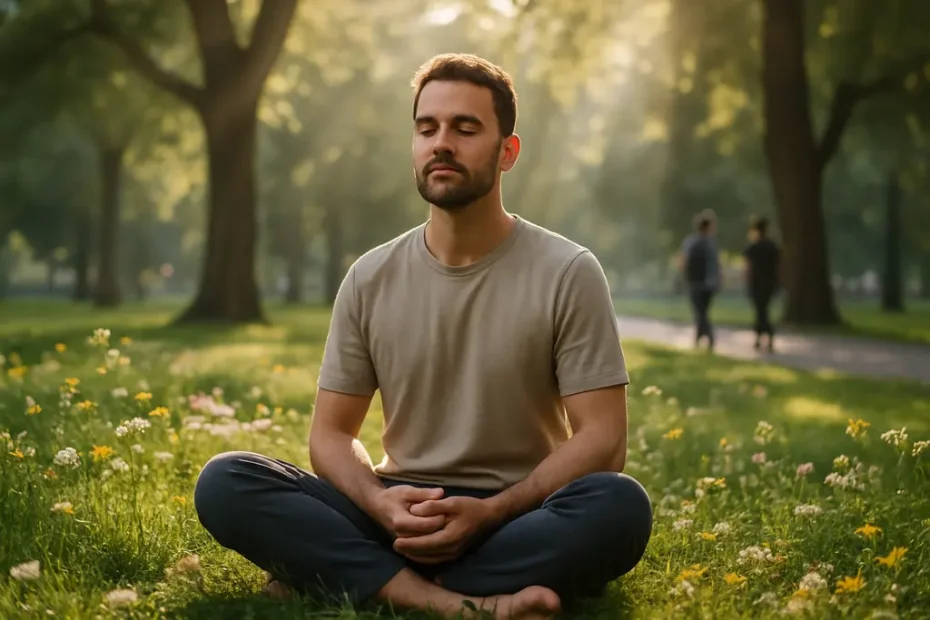
Mindfulness response monitoring helps match meditation techniques to measurable changes while keeping expectations cautious and evidence-based.
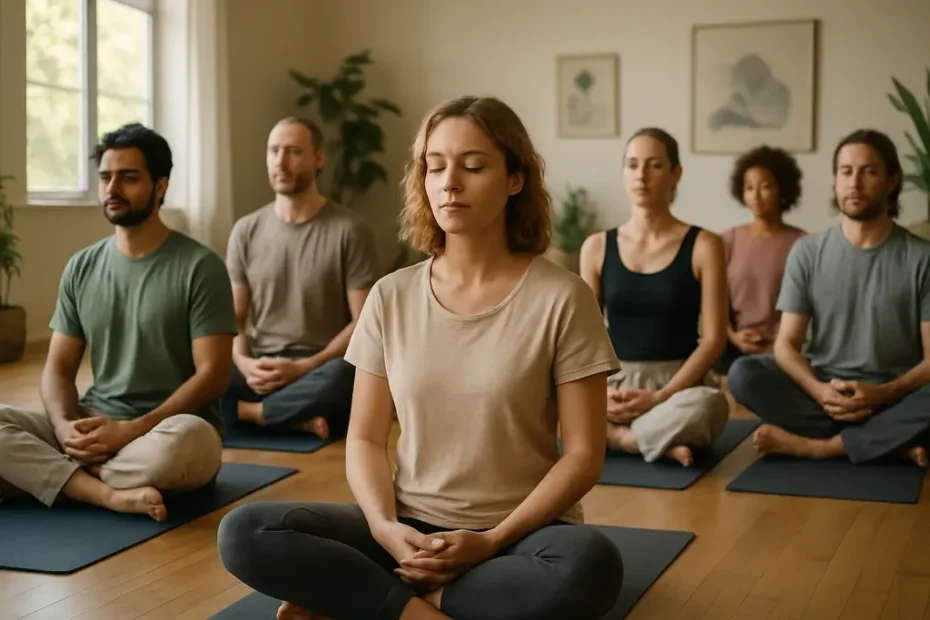
Evidence on a seven-day meditation retreat, mental health markers, brain-network findings, and what to discuss with a clinician.

A new UCLA study is challenging the assumption that school wellness programs necessarily have their biggest effects among students with the fewest challenges. Researchers found that teenage girls who had experienced the highest levels of…
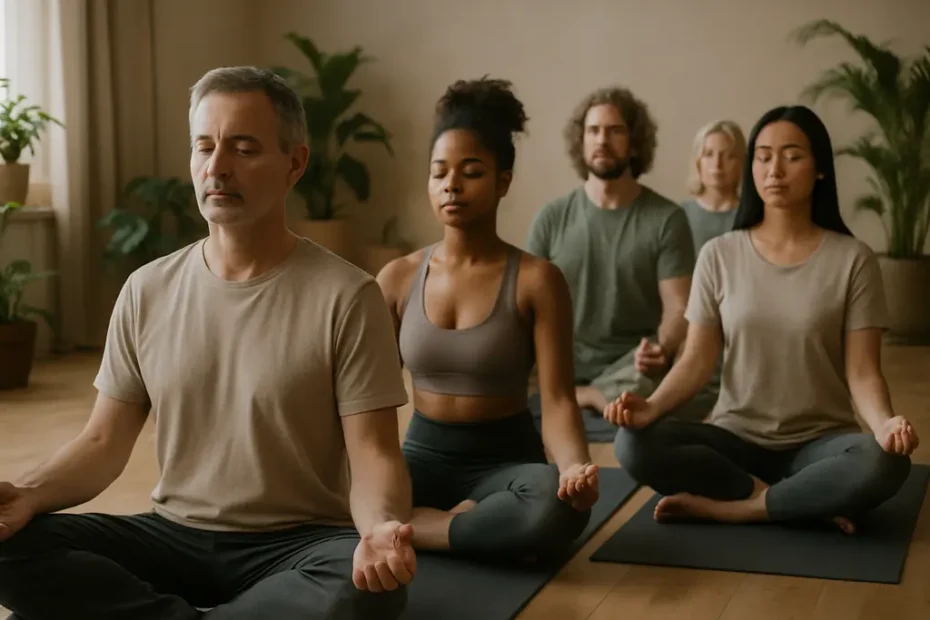
A Personalized Meditation Practice may fit better when traits, stress, and preferences are considered, with cautious evidence-based limits.
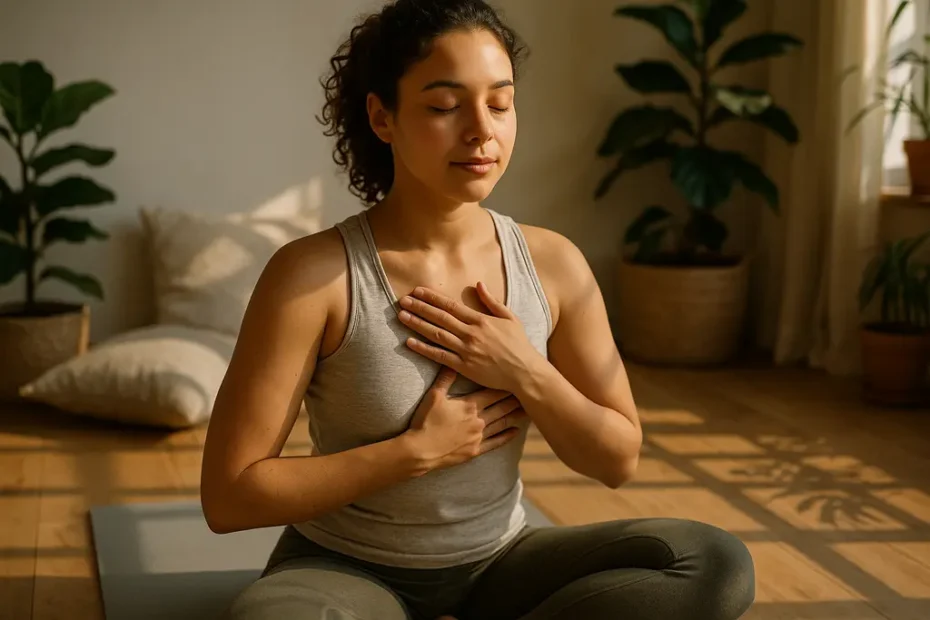
Learn how chest vibration mindfulness may support body awareness in trauma survivors, what early studies report, and what to ask a clinician.
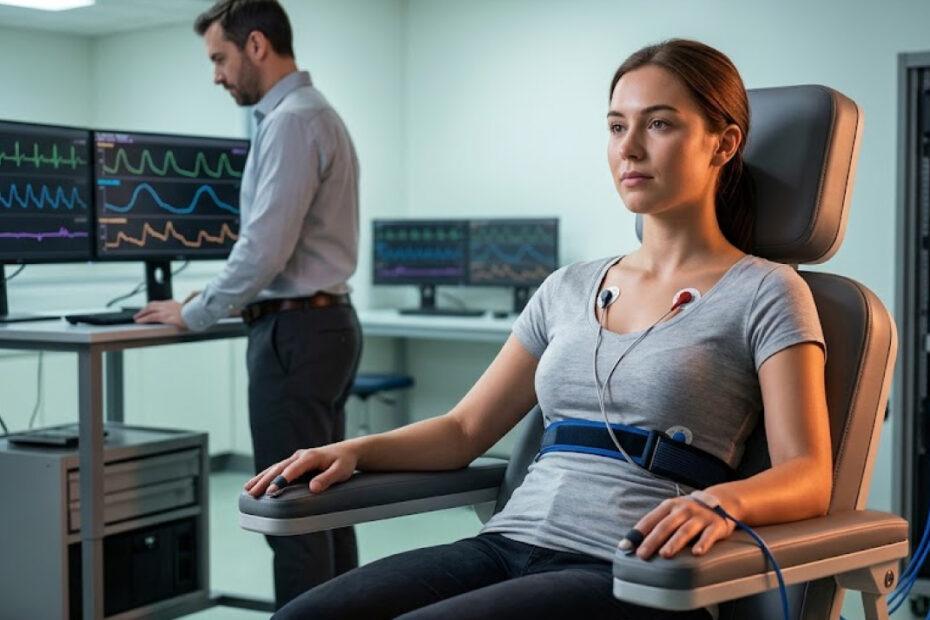
Mindfulness is often described as a mental practice: pay attention to the present moment, notice thoughts and sensations, and return attention when the mind wanders. But a new study suggests that its effects may be…