
Telehealth Mindfulness has drawn research interest because chronic pain is not only a sensory experience; it also affects attention, mood, sleep, daily roles, and stress reactivity. From a stress-management perspective, the central question is not whether remote mindfulness is a stand-alone answer for pain. It is whether structured, remotely delivered mindfulness education may help some people relate differently to pain interference while staying within appropriate medical care.
The recent evidence is encouraging but limited. The strongest directly relevant trial in the source set was conducted in U.S. veterans with moderate-to-severe chronic pain, so its findings should not be stretched to every age group, diagnosis, or care setting. This article is educational and should not be read as medical advice. Anyone living with chronic pain, mood symptoms, medication concerns, pregnancy-related health questions, or changing symptoms should seek medical advice from a qualified professional.
What Recent Telehealth Mindfulness Research Shows
Telehealth Mindfulness In The LAMP Trial
The LAMP randomized clinical trial enrolled 811 U.S. veterans with moderate-to-severe chronic pain and compared two 8-week remotely delivered mindfulness-based interventions with usual care, according to the LAMP trial abstract. One intervention used a group format by telehealth. The other was self-paced, using video and asynchronous materials with facilitator contact. The main outcome was pain interference, which reflects how pain affects daily life rather than pain intensity alone.
In LAMP, Telehealth Mindfulness was studied as a behavioral health intervention, not as a replacement for medical diagnosis, rehabilitation, medication management, or specialty pain care. That distinction matters. Mindfulness-based programs may include attention training, nonjudgmental awareness, and stress regulation skills, but the evidence here does not prove that a breathing routine by itself changes chronic pain outcomes.
Pain Interference Versus Pain Relief
Pain interference is a useful outcome for cautious interpretation because it asks how much pain disrupts activity, mood, relationships, or responsibilities. A person may still have pain but experience less disruption. In the LAMP report, average differences in pain interference scores across follow-up favored both mindfulness arms compared with usual care: group intervention was associated with a difference of −0.4, and the self-paced intervention with −0.7, with confidence intervals reported in the full LAMP report.
The key caution is that Telehealth Mindfulness produced group-level improvements, not guaranteed individual outcomes. Chronic pain varies by condition, duration, sleep, physical function, trauma history, social stress, access to care, and coexisting mental-health symptoms. A trial average can show a real signal while still leaving many participants with persistent pain interference.
Who Appeared More Likely To Benefit
Veterans With Moderate-To-Severe Chronic Pain
The clearest answer from this evidence is that veterans with moderate-to-severe chronic pain were the best-studied group. The LAMP population had a mean age in the mid-50s and included both women and men, though it remained a veteran sample. That matters for interpretation because veterans may have different pain histories, care access patterns, psychiatric comorbidities, and functional demands than community samples outside the Veterans Health Administration.
Still, the trial’s size and 12-month follow-up make it relevant for stress-management education. Chronic pain and stress can reinforce each other: pain can increase vigilance and emotional strain, while stress can narrow attention and make pain feel more intrusive. Mindfulness-based skills may support a different relationship with sensations, thoughts, and frustration. That is not the same as claiming pain is psychological, imagined, or under voluntary control.
People Who Prefer Flexible Practice
The self-paced arm is especially interesting for people who struggle with fixed class times, travel, or group participation. In the LAMP responder analysis, the self-paced program had higher response rates at 12 months for both 30% and 50% improvement thresholds in pain interference. That does not prove self-paced delivery is superior for everyone. It may suggest that flexibility helps some participants stay engaged, revisit material, or practice in a setting that feels manageable.
Group delivery may still suit people who value scheduled sessions, facilitator presence, and shared learning. Subgroup findings from later analyses were not broad enough to create a simple rule, though women appeared to have greater improvements than men in pain severity and depression in the group format. Findings linked to mental-health comorbidities were also mixed. These signals are best read as research questions, not as a basis for excluding anyone from care.
How To Read The Size Of The Effects
Statistical Change Is Not The Same As Personal Relief
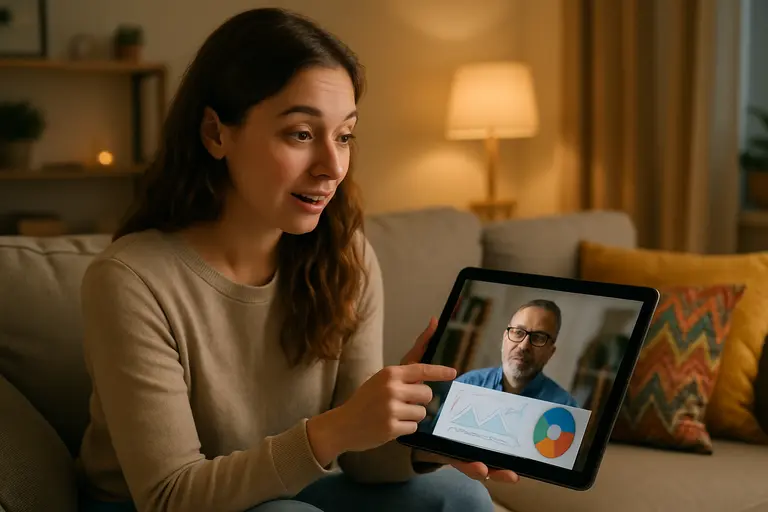
Recent chronic pain mindfulness trials show a pattern that deserves a careful reading: improvements can be statistically detectable while still modest at the individual level. A person deciding with a clinician whether to try a remote mindfulness program would need to weigh likely benefit, time demands, physical limitations, mental-health history, technology access, and current treatment goals.
For readers comparing related research on stress and remote programs, the site’s discussion of mindfulness-based interventions for stress may help frame why perceived stress and pain interference are connected but not identical outcomes. For a broader educational insight into similar subjects, Petra Class serves as a related reference point, separate from medical decision-making.
Access, Adherence, And Follow-Up
Remote care is often described as easier to access, but access is not automatic. A person still needs internet or phone availability, privacy, time, comfort with the format, and enough stability to practice. In LAMP, study completion through 1-year follow-up was high, and adherence data suggested many participants completed a meaningful amount of the assigned intervention. Those findings support feasibility in that population, but they do not erase barriers for people with low digital access, unstable housing, severe depression, cognitive impairment, language barriers, or caregiving demands.
Breath awareness can be part of many mindfulness practices, but breathwork also needs caution. Some people find focused breathing calming; others may feel more anxious, dizzy, or uncomfortable, especially if they have panic symptoms, respiratory disease, trauma-related distress, or certain medical conditions. This is one reason remote mindfulness for chronic pain should be discussed as part of a care plan rather than treated as a casual wellness add-on.
Telehealth Mindfulness Questions For Chronic Pain Care
If Telehealth Mindfulness is being considered, the most useful next step is a focused conversation with a qualified clinician who understands the person’s pain condition and health history. The goal is not to ask whether mindfulness is “good” or “bad.” The better question is whether a specific program, format, and level of support fits the person’s current needs and risks.
- Ask whether a remote mindfulness program is appropriate alongside current medical, physical therapy, behavioral health, or medication plans.
- Ask what outcome should be tracked, such as pain interference, function, sleep, mood, activity tolerance, or stress reactivity.
- Ask whether group sessions, self-paced lessons, or a hybrid format best fits privacy, schedule, technology access, and emotional comfort.
- Ask what warning signs should prompt pausing the practice and contacting a clinician, especially if anxiety, depression, trauma symptoms, dizziness, or worsening pain appear.
- Ask how progress will be reviewed, and what other evidence-based options remain available if the program is not helpful.
The most balanced reading of the evidence is that remote mindfulness-based programs may reduce pain interference for some adults with chronic pain, especially in populations similar to those studied. They should not be presented as cures, replacements for diagnosis, or substitutes for urgent care. Chronic pain deserves coordinated support, and medical advice should always come from a qualified professional who can account for the person’s full health picture.