
Mobile Mindfulness is being tested as a practical way to bring brief attention training into ordinary routines, especially for people reporting anxiety, low mood, or psychological distress. The early trial picture is promising but mixed: some participants improved, some did not stay engaged, and no app-based routine should be treated as a substitute for medical or mental health care.
As a mindfulness coach, I see real value in practices that meet people where they already are: during a morning transition, before sleep, or in a pause between tasks. Still, enthusiasm needs evidence. Recent randomized trials suggest that routine-linked practice may reduce anxiety symptoms for some groups, but the size of benefit, durability, and best-fit population remain questions for careful research rather than assumptions.
What The Mobile Mindfulness Trials Found
Mobile Mindfulness Compared With Other Supports
One large randomized controlled trial conducted in China studied 686 adults with mild-to-moderate psychological distress over a 21-day intervention period, with follow-up at 3 months. The trial compared habitual mindfulness practice, traditional mindfulness, mindfulness-based psychoeducation, and a waitlist group. Habitual practice was designed to be embedded in daily routines, while traditional mindfulness was delivered as a more standard formal practice format. The published trial reported that habitual mindfulness practice and traditional mindfulness both reduced anxiety symptoms more than psychoeducation and waitlist conditions in the randomized trial.
That finding matters because it separates routine-linked practice from simple wellness messaging. Psychoeducation can be useful for learning concepts, but this trial suggests that repeated practice may be the active ingredient. At the post-intervention point, traditional mindfulness showed slightly lower anxiety scores than habitual practice, but that difference did not remain at follow-up. That pattern argues against claiming one format is clearly superior. It may be more accurate to say both practice-based conditions showed benefit in this sample, while longer-term differences were less clear.
Engagement Was A Major Limitation
The same study also showed a challenge that deserves as much attention as the symptom results: dropout was high. Research notes from the trial report that many participants in the active practice groups did not provide post-intervention outcome data, with dropout higher in the mindfulness practice arms than in psychoeducation or waitlist groups. Among active-arm participants, only a portion completed at least 10 of the 21 practice days.
This is clinically and practically meaningful. A routine-based app may be easy to download, but that does not mean it is easy to keep using during periods of stress, fatigue, pregnancy, family demands, or work pressure. For Mobile Mindfulness to be useful outside a trial, designers and clinicians need to understand why people stop: lack of time, unclear instructions, emotional discomfort, low motivation, symptoms worsening, or simple mismatch with daily life.
Why Routine Cues May Matter
Embedding Practice Changes The Friction
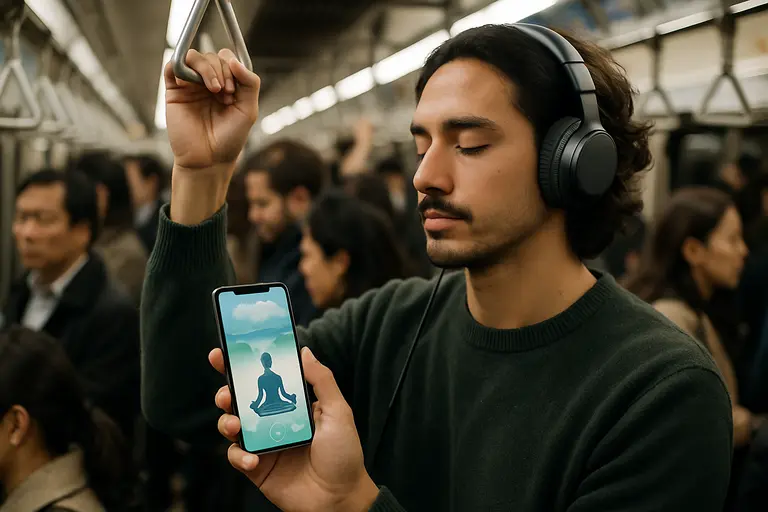
Routine-embedded mindfulness asks a simple question: can awareness practice be paired with activities people already do? Instead of requiring a long separate sitting session, a prompt may be linked with waking, eating, commuting, washing hands, preparing for sleep, or another repeated action. The theory is not that brief practice is automatically stronger. The theory is that repetition becomes more likely when the practice has a clear cue.
That idea fits the practical problem seen in digital interventions: people often start with interest and then fade. A brief practice connected to a stable routine may reduce planning burden. Still, the China trial shows that embedding practice in routines did not eliminate dropout. Routine cues may help some people, but they are not a guarantee of adherence or symptom improvement.
Pregnancy Shows Why Context Matters
A separate randomized controlled trial studied a 4-week self-administered mobile mindfulness intervention among 133 pregnant women. In that perinatal sample, anxiety significantly decreased in the intervention group after the program, while the control group did not show the same change. The report also described increases in emotional well-being and mindful awareness, with dropout around 30% in the perinatal trial.
This finding is encouraging, but pregnancy is a health context where caution matters. Emotional changes during pregnancy can be influenced by sleep, hormones, medical risk, prior mental health history, social support, and access to care. A self-administered app may be a supportive tool for some pregnant people, but it should not replace prenatal care, psychotherapy, crisis support, or medical evaluation when symptoms are intense, persistent, or worsening.
How To Read The Anxiety Findings Cautiously
Symptom Change Is Not The Same As Diagnosis Or Treatment
The anxiety measures used in trials can show meaningful change at the group level, but group averages do not tell any one person what will happen. A lower score after a 21-day or 4-week program does not prove that an app treats an anxiety disorder, prevents relapse, or works equally well for people with severe symptoms. It also does not tell us whether the same effect would appear in older adults, adolescents, people using psychiatric medication, or people with complex medical needs unless those groups were specifically studied.
That distinction is not a small detail. Mindfulness practice can bring attention to the body, thoughts, and emotions. For many people this may feel grounding. For others, especially those with trauma histories, panic symptoms, or acute distress, inward attention may sometimes feel uncomfortable. Anyone with significant symptoms should seek guidance from a qualified health professional. If symptoms include thoughts of self-harm, feeling unsafe, or inability to function, urgent professional help is needed.
- Evidence suggests some app-based mindfulness programs may reduce anxiety symptoms in studied groups.
- Trial results do not prove that any specific app is right for every person.
- High dropout means acceptability and follow-through remain real concerns.
- Pregnancy, medication use, prior trauma, and diagnosed mental health conditions are reasons to discuss practice plans with a clinician.
Placebo, Expectation, And Attention Still Matter
Digital mindfulness trials often involve more than meditation instructions. Participants may receive reminders, structure, daily attention to feelings, and a sense of being supported by a program. Those factors can influence outcomes. A careful reading asks not only whether anxiety scores changed, but what the comparison group received, how much contact participants had, how many dropped out, and whether gains remained after the intervention ended.
This is why cautious language is essential. Mobile Mindfulness may support emotional steadiness for some people. It may help turn an abstract intention into repeated practice. It may also fail to fit a person’s life, feel too repetitive, or be insufficient for symptoms that require professional care.
Where Mobile Practice Fits In Daily Life
Small Practices Need Clear Expectations
A sensible use of digital practice is to treat it as a structured learning aid, not as a stand-alone answer. For someone with mild stress or anxiety symptoms, a brief routine-linked practice may offer a way to notice breathing, soften reactivity, or pause before responding. For someone with moderate or severe anxiety, it may be one supportive habit among many, alongside care from qualified professionals when appropriate.
Readers who want related background on app-based stress research may find this discussion of meditation apps useful, especially because it frames digital practice with realistic expectations. For broader wellness reporting across the same network, readers can explore Daily California for coverage on health-adjacent public interest topics.
Design Should Respect Real Human Limits
The most compassionate design is not the app that asks for the most effort. It is the one that respects attention, fatigue, privacy, symptom variation, and the fact that people miss days. A 21-day plan may sound manageable, but the trial data show that many participants still did not complete enough sessions or outcome measures. That should guide how educators talk about practice: consistency is helpful, but shame is not.
For beginners, the safest educational framing is gentle and flexible: notice one breath, observe one sensation, pause before one habitual reaction. If distress rises, eyes can open, attention can shift outward, or practice can stop. A qualified clinician or therapist can help decide whether mindfulness is appropriate for a specific health history.
Routine-Embedded Mobile Mindfulness Questions For Clinicians
Mobile Mindfulness deserves attention because recent trials suggest potential anxiety-related benefits in some adult and perinatal samples. Yet the same evidence also points to limits: dropout, uncertain fit across populations, short intervention windows, and the difference between symptom support and medical care.
Before relying on a routine-embedded program, consider asking a qualified health professional: Is mindfulness appropriate for my symptoms and history? Could inward attention worsen panic, trauma responses, or rumination for me? How should I respond if anxiety increases during practice? Should this be paired with therapy, medication management, sleep care, prenatal care, or another form of support? These questions keep the practice grounded, humane, and evidence-aware.