Simple mindfulness practices can be useful for people who want a steadier way to respond to daily stress, but they should be understood as general well-being tools rather than medical treatment. As of September 19, 2026, CDC emotional well-being guidance describes mindfulness as being aware, living in the present, and acknowledging what is happening inside and around you without judgment, including attention to breath, body sensations, thoughts, and the surrounding environment CDC emotional well-being guidance.
That definition matters because it keeps the practice grounded. Mindfulness is not a promise that stress will disappear. It is a way to notice stress signals earlier, pause before reacting, and choose a next step with more clarity. For some people, that may mean three slow breaths before answering a difficult message. For others, it may mean stepping outside, writing down one concern, or taking a brief movement break after sitting for a long period.
This article is educational only. Anyone with persistent stress, anxiety, depression, trauma symptoms, sleep disruption, worsening health concerns, or questions about whether a routine is appropriate should speak with a qualified health professional.
Simple Mindfulness Practices In CDC Guidance
How Simple Mindfulness Practices Are Framed
The CDC framing is practical rather than dramatic. The emphasis is on small actions that support emotional well-being: awareness, breathing, movement, gratitude, social connection, and breaks from distressing input. These actions may help people observe what is happening in the body and mind before stress becomes harder to manage.
Simple mindfulness practices often begin with attention to breathing because the breath is always available and easy to observe. A person might sit or stand comfortably, notice the inhale, notice the exhale, and gently return attention when thoughts move elsewhere. The point is not to force the mind to be blank. The skill is recognizing distraction and coming back without harsh self-criticism.
Breath, Body, And Environment
A cautious breathwork routine can be brief. For example, someone might notice where the breath is easiest to feel: the nose, chest, ribs, or abdomen. They might then scan for tension in the jaw, shoulders, hands, or stomach. This kind of body awareness can show how stress is being carried before the person responds to it.
The environment is part of the practice as well. Noticing light, sound, temperature, or the feeling of feet on the floor can help attention settle in the present moment. That does not remove real responsibilities, but it may interrupt the automatic loop of worry, rumination, or urgency long enough for a calmer choice.
What A Daily Stress Routine Can Include
Short Practices That Fit Ordinary Days
One reason mindfulness routines are widely discussed is that they do not always require a long session. The research notes describe CDC-aligned examples such as meditation, deep breathing, stretching, yoga, journaling, time outdoors, and gratitude. These are not identical practices, but they share a common feature: each gives attention a place to rest, observe, or reset.
- Breathing pause: Notice three to five slow breaths before moving to the next task.
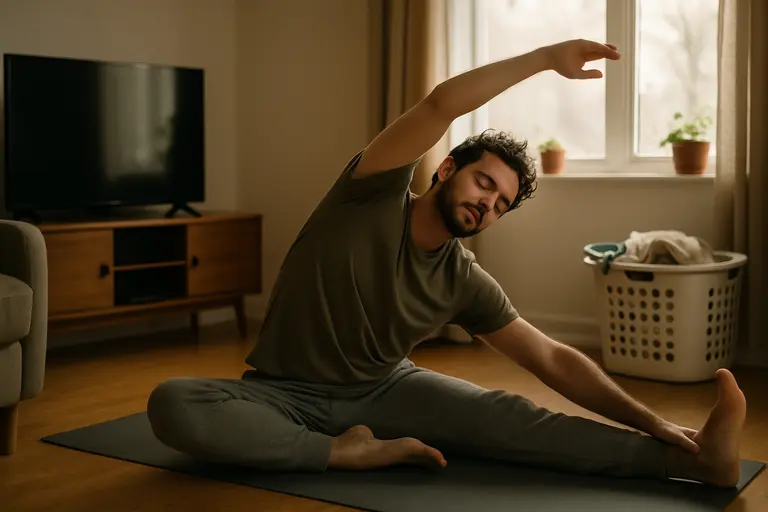
- Stretching check-in: Gently observe areas of tightness while moving within a comfortable range.
- Gratitude note: Write one specific thing that felt supportive, meaningful, or appreciated.
- Outdoor reset: Spend a brief period outside, either walking or sitting, while noticing sensory details.
- Connection cue: Talk with a trusted person about worries or feelings when support is needed.
For readers who are trying to protect time for rest, reflection, and family life, Take Back Your Time offers helpful resources. Time pressure can make even a short pause feel unrealistic, so the first step may be identifying one small point in the day where a routine can occur without creating another obligation.
Movement And Gratitude Without Overstatement
The CDC emotional well-being page describes physical activity, including small amounts during the day, as supportive for emotional well-being. It also identifies gratitude practices, such as reflecting on what one is thankful for or expressing appreciation, as strategies connected with stress reduction and emotional well-being. This does not mean movement or gratitude will be sufficient for every person or every condition. It means they are reasonable, low-cost practices to consider within a broader self-care plan.
Simple mindfulness practices are most realistic when they are flexible. A person with a full schedule might not meditate for 20 minutes, but may be able to pause for two minutes before lunch. Someone who dislikes journaling might prefer a silent gratitude reflection. Someone who finds seated meditation uncomfortable might use mindful walking instead. The practice should be accessible, not another source of pressure.
Limits, Safety, And When Stress Needs More Support
Mindfulness Is Not A Substitute For Care
Mindfulness can support awareness, but it cannot diagnose the cause of distress. It also should not be used to delay care when symptoms are persistent, intense, or affecting work, relationships, sleep, school, or safety. Stress may overlap with medical conditions, medication effects, grief, caregiving strain, trauma, substance use, workplace harm, or financial insecurity. A qualified clinician can help sort out what is happening and what level of support is appropriate.
Some people also find that quiet practices bring up difficult memories or strong emotions. If that happens, it is reasonable to stop the practice and choose grounding, social support, or professional guidance. Mindfulness should not require pushing through distress. A trauma-informed approach often emphasizes choice, pacing, and safety.
Media Breaks And Post-COVID Considerations
The CDC archive on caring for people with Post-COVID Conditions includes guidance to take breaks from news stories, including social media, when exposure becomes upsetting CDC Post-COVID care guidance. This recommendation is not limited to formal meditation, yet it fits the same stress-management principle: attention affects the nervous system, mood, and sense of threat.
A mindful media break might involve noticing the urge to check updates, naming the feeling behind it, and choosing a clear boundary such as waiting until a planned time. The goal is not avoidance of necessary information. The goal is to reduce repeated exposure that increases distress without helping a person take constructive action.
Building A Routine That Stays Realistic
Use A Cue, Not Willpower Alone
Daily routines are easier to remember when they are linked to something already happening. A breathing pause after brushing teeth, a gratitude reflection before turning off a light, or mindful stretching after closing a laptop can make the routine less dependent on motivation. The cue should be ordinary and repeatable.
A practical routine might include one morning breath check, one midday movement break, and one evening gratitude note. That is enough structure to build familiarity without suggesting that stress management has to become a large project. Readers interested in a related discussion of routine-building can review daily mindfulness practices for a cautious look at expectations and use.
Keep The Practice Observable
Instead of asking, “Did mindfulness work?” a more useful question is, “What did I notice?” A person might notice shallow breathing, tight shoulders, repeated worry, irritability, or fatigue. That information can guide the next step: rest, movement, asking for help, setting a boundary, or contacting a health professional.
Simple mindfulness practices may be most helpful when they are paired with ordinary health supports, including sleep consistency, social connection, and appropriate medical care. The CDC research notes include consistent sleep habits as part of stress management. While mindfulness can encourage awareness of fatigue, it does not replace evaluation for ongoing insomnia, breathing problems during sleep, pain, mood symptoms, or other concerns.
Questions About Simple Mindfulness Practices
Before treating any routine as the answer, it is worth asking practical questions. Does this practice leave me feeling steadier, or does it increase distress? Is it short enough to repeat? Does it fit my health status, mobility, pregnancy status, medications, culture, and schedule? Am I using it to support care, or to avoid asking for help?
Discuss with a qualified health professional if stress feels unmanageable, if panic symptoms occur, if mood changes persist, if sleep is substantially disrupted, if physical symptoms are new or worsening, or if mindfulness brings up memories or sensations that feel unsafe. Useful clinician questions include: “Are these practices appropriate for my health situation?” “Could stress be connected to a medical or medication-related issue?” “What signs would mean I need a different level of support?” and “Are there mental health resources, therapy options, or community supports that fit my needs?”