
Positive psychology mindfulness is a useful phrase for a growing line of research that does not treat meditation only as a way to reduce distress. In recent University of Illinois Urbana-Champaign work, mindfulness has been studied alongside gratitude, optimism, purpose, self-acceptance, and positive relationships. The evidence is promising in specific settings, but it should be read carefully: these practices are educational well-being tools, not substitutes for diagnosis, therapy, medication, or medical care from a qualified professional.
Why UIUC’s Findings Matter
Scope Of Recent Evidence
The University of Illinois findings are valuable because they connect meditation basics with measurable outcomes and implementation questions. On May 4, 2026, UIUC’s Rosalba Hernandez and colleagues described a review of 18 randomized controlled trials that combined positive psychology practices, such as mindfulness, gratitude journaling, and optimism training, with cardiovascular risk-marker outcomes. The review reported short-term improvements in factors such as blood pressure and inflammation over weeks, with many programs lasting 6 to 12 weeks and commonly enrolling 50 to 200 adults, often in late middle age or older adulthood, according to the UIUC review.
Those details matter for interpretation. A 6-week or 12-week program can show whether a structured practice is feasible and whether early markers shift, but it cannot answer every question about years of practice, clinical outcomes, or whether a person with a specific health condition should use the same approach. The researchers also emphasized that benefits may need reinforcement over time, which is consistent with how many breathwork and meditation skills are learned: repetition supports familiarity, and gaps in practice may weaken the habit.
What The Studies Do Not Prove
These findings should not be taken to mean that mindfulness, gratitude, or optimism training can treat heart disease, anxiety disorders, depression, or any other condition. They do not replace standard care. They suggest that structured practices may support stress awareness, emotional regulation, and certain well-being measures for some groups. Anyone with cardiovascular disease, persistent anxiety, trauma symptoms, pregnancy-related concerns, medication questions, or other health needs should speak with a qualified professional before relying on any wellness routine.
What Positive Psychology Mindfulness Adds
Positive Psychology Mindfulness In Practice
The value of positive psychology mindfulness is that it widens the focus. A basic mindfulness exercise may ask a person to notice breathing, physical sensations, thoughts, or emotions without immediately reacting. Positive psychology elements may ask related but distinct questions: What gives this day a sense of purpose? What relationship deserves attention? What strength helped me through a difficult moment? What kind action is realistic today?
This difference is not cosmetic. In the Illinois Mindful Wellbeing work, an adapted mindfulness-based intervention called Mindfulness-Based Eudaimonic Well-being, or MBEW, was tested among low-income, marginalized adults. The May 2025 dissertation reported a small sample of 20 participants, 83.3% retention, and significant improvements in psychological well-being, mindfulness, and stress, according to the Illinois Mindful Wellbeing record.
The psychological well-being scale used in that work included six dimensions: self-acceptance, purpose in life, environmental mastery, positive relations, personal growth, and autonomy. That is a broader target than symptom reduction alone. It suggests that meditation programs can be designed not only around calming the nervous system in the moment, but also around helping participants reflect on meaning, agency, and social connection. Because the sample was small, the findings are best viewed as preliminary and context-specific rather than as proof that the same program would work the same way for every group.
Breathwork As A Practical Entry Point
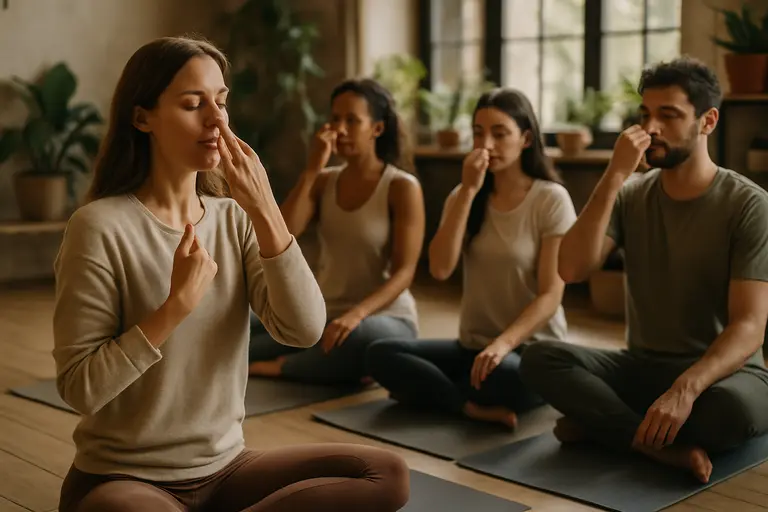
From a meditation basics perspective, breath awareness is often the most accessible doorway into practice. A person may pause, notice an inhale, notice an exhale, and observe whether the mind is tense, scattered, or impatient. Positive psychology can then add a short reflective prompt after the breath settles, such as naming one value that matters in the next hour. Readers interested in shorter routines can compare related evidence in this discussion of short mindfulness practices, while remembering that research findings do not provide personal health instructions.
What The Cardiovascular Review Suggests
Short Duration, Cautious Interpretation
For positive psychology mindfulness, the cardiovascular review is notable because it places mental training beside physical risk markers. The reviewed interventions commonly combined weekly practice with at-home exercises. Participants were often adults in their late 50s to mid-60s, and women made up roughly 35% to 55% of participants in typical groups described in the research notes. Reported benefits appeared within weeks, which is encouraging but also raises a central question: what happens after the formal program ends?
The cautious answer is that maintenance is uncertain without continued reinforcement. A short program can introduce skills, structure, and motivation. Long-term practice depends on fit, access, reminders, social support, and whether the person understands why the practice matters. This is one reason breathwork and meditation educators often suggest modest, repeatable sessions rather than dramatic promises. The research supports attention to consistency, not claims of guaranteed health outcomes.
Risk Markers Are Not Diagnoses
Blood pressure and inflammation are meaningful in health research, but they are not the same as a full clinical picture. A person’s cardiovascular risk can be influenced by age, family history, sleep, nutrition, movement, medication, smoking status, stress exposure, and diagnosed conditions. Mindfulness-based activities may sit alongside those factors, but they should not be used to make independent medical decisions. For a more comprehensive understanding of wellness in related areas, HealthScope provides wellness education within the same network.
Adapted Mindfulness For Well-Being
Why Population And Setting Matter
The Illinois Mindful Wellbeing study also highlights a practical question: who is a program designed for? A practice that works in a university wellness center may not fit the needs of low-income adults facing transportation barriers, unstable schedules, or chronic social stress. An adapted intervention can adjust language, session structure, examples, and support systems so that participants are not being asked to force their lives into a rigid model.
That does not mean every adaptation is automatically effective. It means feasibility and retention are part of the evidence. The reported 83.3% retention in a 20-person study is worth noticing, but the small sample limits certainty. Larger studies would be needed to test whether the same pattern appears across different communities, instructors, and delivery formats.
From Stress Reduction To Human Functioning
A key contribution of this work is the movement from stress reduction alone toward human functioning. Stress matters, and reducing perceived stress can be a meaningful outcome. Yet people also need purpose, relationships, self-respect, and a sense that their actions can influence daily life. Positive psychology gives mindfulness programs a language for those aims without requiring exaggerated claims.
In practice, that might look like a brief breathing exercise followed by a values check, a gratitude note, or reflection on a difficult interaction. The evidence does not say that such exercises are right for everyone. Some people may find inward attention uncomfortable, especially if they have trauma histories or acute mental health symptoms. In those cases, support from a qualified professional is especially important.
Positive Psychology Mindfulness Questions For Clinicians
The UIUC findings point toward a balanced message: structured mindfulness combined with positive psychology may support well-being and stress-related outcomes in some studied groups, while long-term effects, population fit, and clinical relevance still need careful study. For readers, the safest use of this evidence is educational. It can help form better questions, not replace professional guidance.
- Is a mindfulness or breathwork practice appropriate for my health history and current symptoms?
- Could inward attention worsen panic, trauma symptoms, or distress for me?
- How should I think about blood pressure, inflammation, stress, or sleep changes in my own care plan?
- Would a group program, app-based practice, or clinician-supported approach be safer or more realistic?
- How can I combine meditation basics with care already recommended by my qualified professional?
A steady breath can create a pause. Gratitude or purpose reflection can give that pause direction. Still, health needs vary, and research averages do not determine what is best for one person. Discuss mindfulness, breathwork, stress, mood, cardiovascular concerns, and any new wellness routine with a qualified professional, especially if symptoms are persistent, severe, or changing.